

In today’s digital age, having a robust online presence is essential for any small business aiming to thrive and grow. Two foundational elements contribute significantly to this success: web design and digital strategy. While they often work hand-in-hand, understanding the distinction between the two and their unique contributions can empower business owners to make informed decisions that drive results.
What is Web Design?
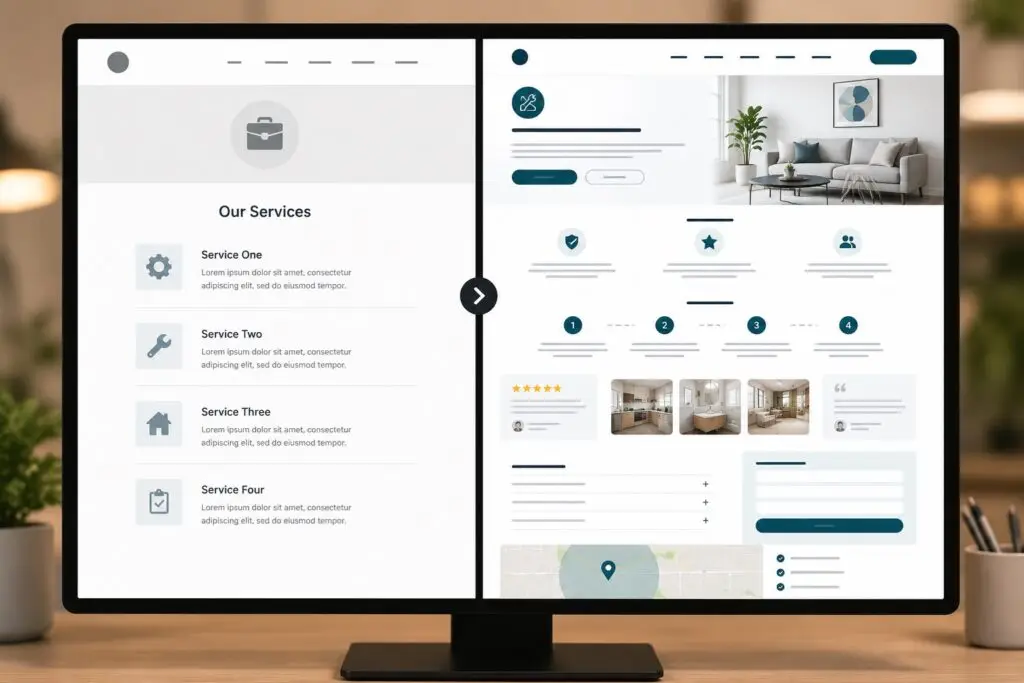
Web design refers to the process of creating the visual aesthetics and user interface of a website. It encompasses various elements, including layout, color schemes, typography, imagery, and interactive features. The primary goal of web design is to ensure that a website is not only visually appealing but also user-friendly, providing visitors with an intuitive and engaging experience.
Key Components of Web Design:
- Layout and Structure: Organizing content in a coherent and accessible manner.
- Color Schemes: Selecting colors that reflect the brand’s identity and evoke the desired emotions.
- Typography: Choosing fonts that enhance readability and complement the overall design.
- Imagery and Graphics: Incorporating photos, illustrations, and icons that support the content.
- Responsive Design: Ensuring the website functions seamlessly across various devices and screen sizes.
What is Digital Strategy?
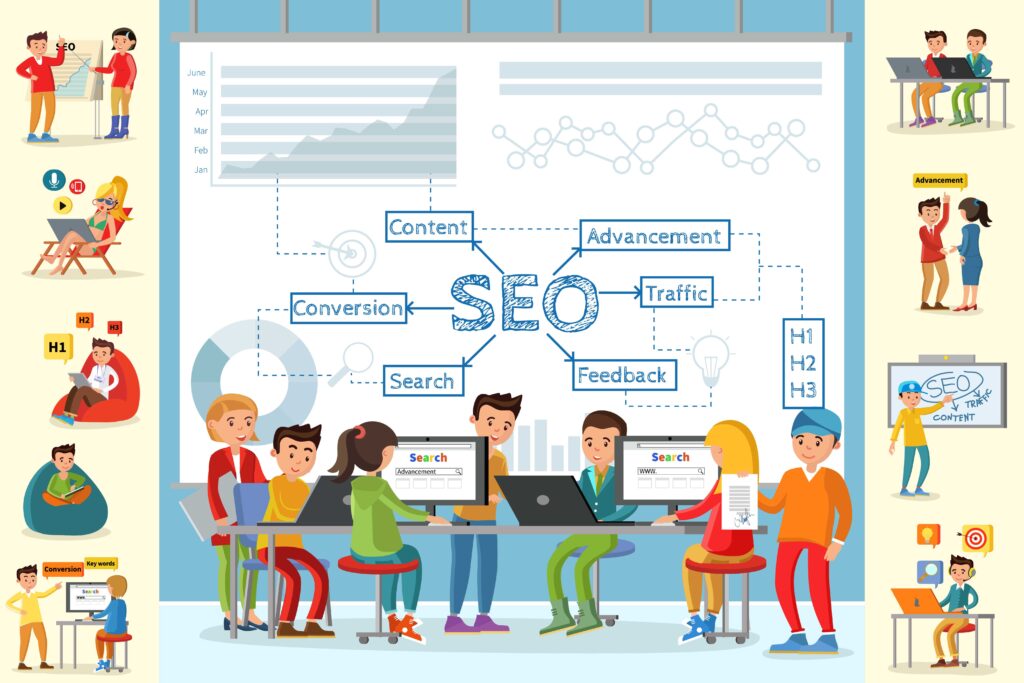
Digital strategy is a comprehensive plan that outlines how a business will use digital channels and tools to achieve its goals. It involves analyzing the current digital landscape, identifying target audiences, setting measurable objectives, and implementing tactics to enhance online visibility and engagement. Unlike web design, which focuses primarily on the website’s appearance and functionality, digital strategy takes a broader view, encompassing various aspects of online marketing and business growth.
Key Components of Digital Strategy:
- Search Engine Optimization (SEO): Optimizing website content to rank higher in search engine results.
- Content Marketing: Creating and distributing valuable content to attract and engage the target audience.
- Social Media Marketing: Leveraging social platforms to build brand awareness and foster community engagement.
- Pay-Per-Click Advertising (PPC): Using paid ads to drive targeted traffic to the website.
- Analytics and Reporting: Monitoring and analyzing digital performance to inform future strategies.
The Intersection of Web Design and Digital Strategy
While web design and digital strategy are distinct, their synergy is crucial for maximizing online success. A well-designed website serves as the foundation upon which effective digital strategies can be built. Conversely, a solid digital strategy ensures that the website reaches and resonates with its intended audience.
Why Both Are Essential:
- Enhanced User Experience: Great web design ensures visitors have a positive experience, while digital strategy attracts the right audience to your site.
- Increased Visibility: SEO techniques integrated into web design elements improve search rankings, while content marketing drives engagement.
- Consistent Branding: A cohesive design reinforces brand identity, and strategic marketing ensures the message reaches its target.
- Measurable Results: Digital strategies provide metrics to assess the effectiveness of the website design and make necessary adjustments.
Implementing Both for Business Growth
For Boise WEB’s target customers—small business owners in blue-collar fields—combining effective web design with a robust digital strategy can lead to substantial growth. Here’s how:
1. Building Trust and Credibility
A professional and visually appealing website instills trust in potential customers. When combined with a digital strategy that includes positive reviews and testimonials, it reinforces the business’s credibility.
2. Optimizing for Local Search
Small businesses often rely on local clientele. By integrating local SEO into their digital strategy and ensuring the website is optimized for local searches, businesses can attract more nearby customers.
3. Streamlining Communication
Smooth navigation and clear calls-to-action on the website, paired with targeted email marketing campaigns, enhance customer communication and lead conversion rates.
4. Cost-Effective Marketing
Investing in both areas can be more affordable in the long run. A well-designed website reduces the need for frequent redesigns, and a strategic digital plan maximizes marketing budgets by targeting the most effective channels.
Conclusion
Web design and digital strategy are two pillars of a successful online presence. Understanding their distinct roles and how they complement each other is vital for small businesses aiming to grow and compete in the digital marketplace. Ready to elevate your online presence? Contact Boise WEB today!