

If your company serves Meridian, Nampa, Eagle, or other towns around Boise, you can’t rely on a single “Boise” page to capture every nearby search. Service area pages — also called location or city pages — are targeted pages that speak directly to the needs and search intent of customers in a particular town or neighborhood. For small, blue-collar and home-service businesses, they are one of the most practical, cost-effective tactics to increase visibility and generate local leads.
What Is a Service Area Page?
A service area page is a focused web page that highlights the services you provide to a specific city or region. Instead of generic content, each page includes local details — popular neighborhoods, common local problems, testimonials from customers in that city, and directions or service boundaries. These pages help search engines understand where you operate and improve your chance to rank for queries like “plumber in Meridian” or “fence repair Nampa.”
How Service Area Pages Help You Rank in Nearby Cities
- Improved Relevance: Search engines match user queries to pages that clearly reference the city and the service. A page that mentions “Eagle window replacement” signals stronger relevance than a general “Boise window” page.
- Proximity and Local Pack Signals: While proximity to the searcher matters, Google also uses on-page signals and Google Business Profile presence. Service area pages reinforce that you serve a location even if your physical address is in Boise.
- Better Click-Through and Conversion: Local content resonates with readers. Citing neighborhood names, local landmarks, or weather-related issues builds trust and increases calls or booking requests.
- Expanded Long-Tail Reach: Service pages capture long-tail and hyperlocal searches. Think “24-hour boiler service in Kuna” or “roof leak repair near Boise Airport.”
Key Elements of an Effective Service Area Page
- Unique, useful content: Write distinct copy for each city. Avoid simple templated swaps of city names; instead, include local examples, case studies, or recent projects.
- On-page SEO: Use city-specific page titles, meta descriptions, headings, and URL slugs (for example: /services/meridian-plumbing). Include natural LSI keywords like “local,” “near me,” “nearby,” “residential,” and service-specific phrases.
- Structured data: Add LocalBusiness schema with areaServed to help search engines understand service zones and improve eligibility for rich results.
- NAP consistency: Make sure your business Name, Address, and Phone are consistent across your site and directory listings. If you serve multiple cities from one address, state your service area clearly rather than creating fake addresses.
- Internal linking: Link from service pages and your main location / services pages. A clear site structure helps search engines crawl and assign authority.
- Local proof: Add testimonials, photos from jobs in that city, local licensing or permit references, and neighborhood-specific FAQs.
Technical and Local SEO Considerations
Good service area pages blend content and technical signals:
- Google Business Profile: Keep your profile optimized and mention service areas. The Local Pack often pulls data from both your GMB (Google Business Profile) and your website pages.
- Citations and Directories: Ensure business listings in local directories reference the same service areas to build local relevance.
- Page speed and mobile UX: Most local searches happen on mobile. Fast-loading, readable pages improve both rank and conversions.
- Canonical tags and duplicate content: Avoid near-duplicate pages. If cities are close and the content overlaps, focus on unique angles or combine multiple nearby towns on a single well-optimized page.
Best Practices for Trades and Home Services
For plumbers, electricians, roofers, landscapers, and other trades, practical details matter:
- Show services commonly requested in that city (e.g., “freeze-thaw winter plumbing in Boise Bench”).
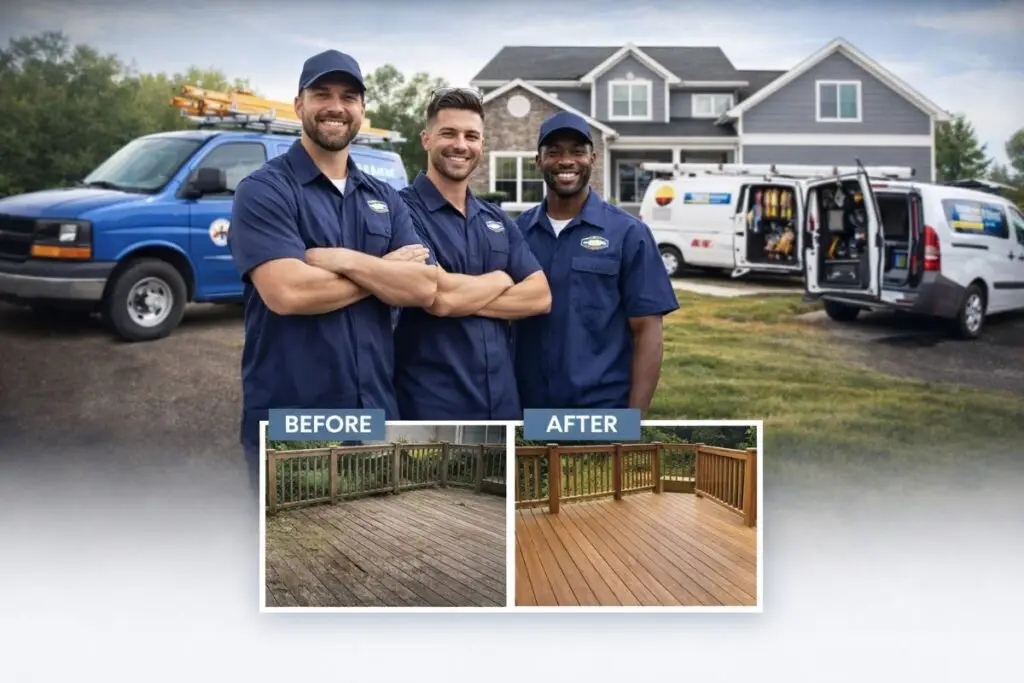
- Include project galleries with captions describing the location.
- Offer city-specific promotions or seasonal tips. This creates fresh, locally relevant content.
- Use clear calls-to-action like “Call for service in Nampa” with local phone tracking to measure leads.
How Many Service Pages Should You Create?
Quality beats quantity. Create pages for cities where you actively serve customers and can demonstrate real work, testimonials, or projects. For nearby towns with low search volume, consider a combined “Service Area” page that lists several locations and explains your coverage strategy.
Measuring Success
Track the impact by monitoring:
- Local keyword rankings and local pack visibility for city-specific terms.
- Organic traffic and page-specific conversions (calls, form submissions).
- Phone call volume and lead quality from each tracked phone number or UTM-tagged link.
When to Get Help from a Local SEO Partner
If building pages, managing schema, keeping NAP consistent, and tracking conversions feels like extra work, a local SEO partner can save time and deliver predictable results. A partner experienced with trades and home services understands how to write conversion-focused local content and maintain ongoing optimization without distracting you from running your business.
How Boise WEB Approaches Service Area Pages
At Boise WEB, we build professional, local-first service area pages tailored to trades and home-service businesses. We focus on clear communication, transparent pricing, and measurable results, crafting unique local content, implementing schema, and connecting pages to your Google Business Profile so your business can reach customers across Meridian, Nampa, Eagle, and more.
Service area pages are not a quick fix, but when done right they become a steady source of qualified leads from neighboring cities. With the right approach — local research, unique content, technical optimization, and consistent citations — your website can become the primary driver of new customers across the Treasure Valley.
Contact Boise WEB to help build service area pages for your business.