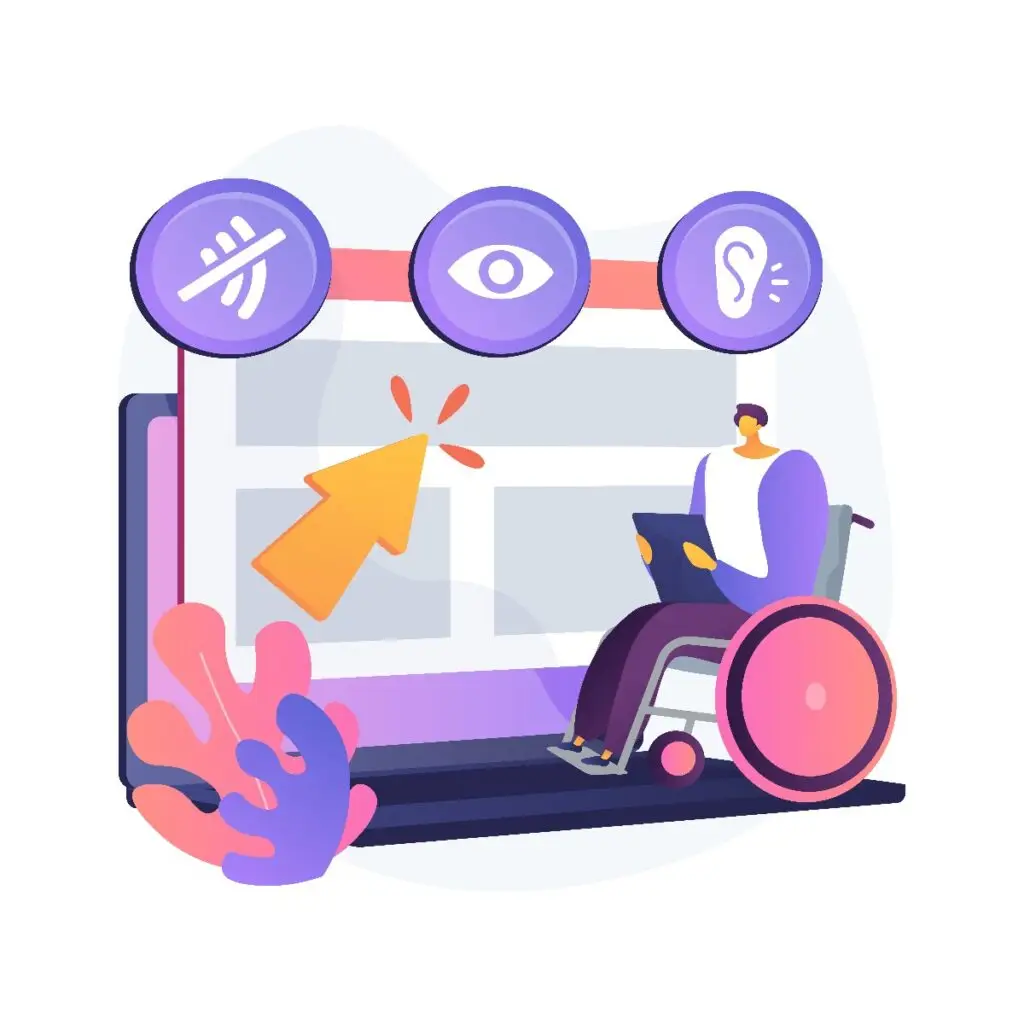
Website accessibility means designing and building web content so people with a wide range of abilities and disabilities can perceive, understand, navigate, and interact with it. This includes users who rely on screen readers, keyboard navigation, captions, or voice recognition. Accessibility follows standards like the Web Content Accessibility Guidelines (WCAG) and often intersects with legal frameworks such as the Americans with Disabilities Act (ADA).
Key technical terms (quick definitions)
- WCAG: Web Content Accessibility Guidelines—international technical standards for accessibility.
- ARIA: Accessible Rich Internet Applications—attributes that improve dynamic content accessibility for assistive tech.
- Screen reader: Software that vocalizes on-screen content for people with visual impairments.
- Alt text: Text describing images for screen readers and search indexing.
Why accessibility matters to your customers
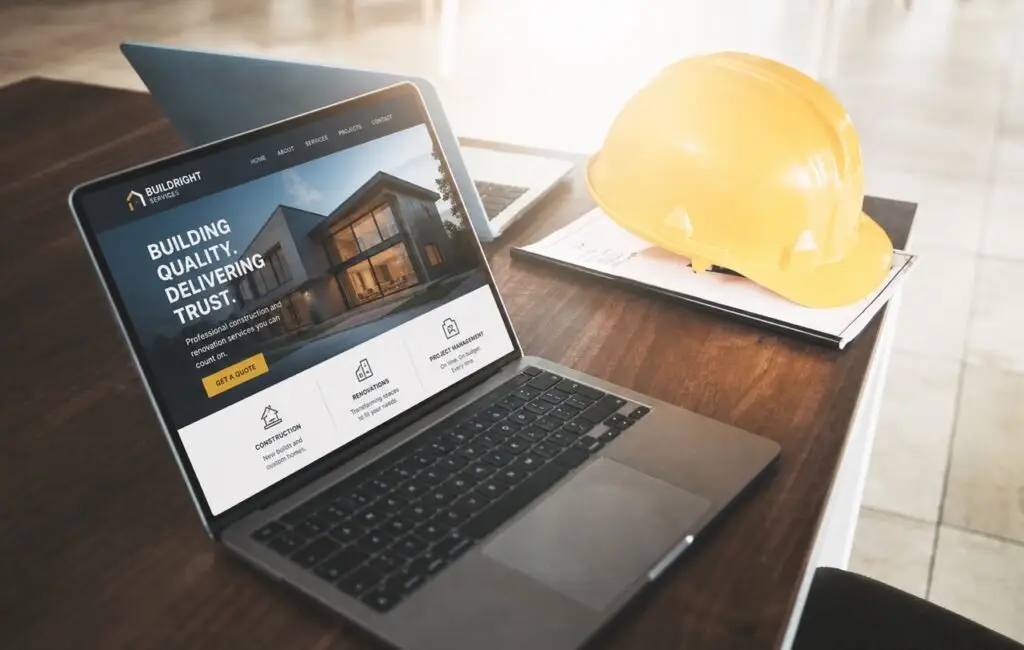
For small businesses in trades and home services—plumbers, electricians, landscapers, HVAC technicians—your website is often the first impression. If residents with visual, auditory, cognitive, or motor disabilities can’t use your site, you lose potential customers and damage your reputation. Accessible websites are easier to use for everyone: clearer navigation, well-labeled buttons, readable text, and faster load times all improve the user experience.
How accessibility helps SEO
Search engines aim to deliver relevant, high-quality results. Many accessibility best practices align with SEO signals:
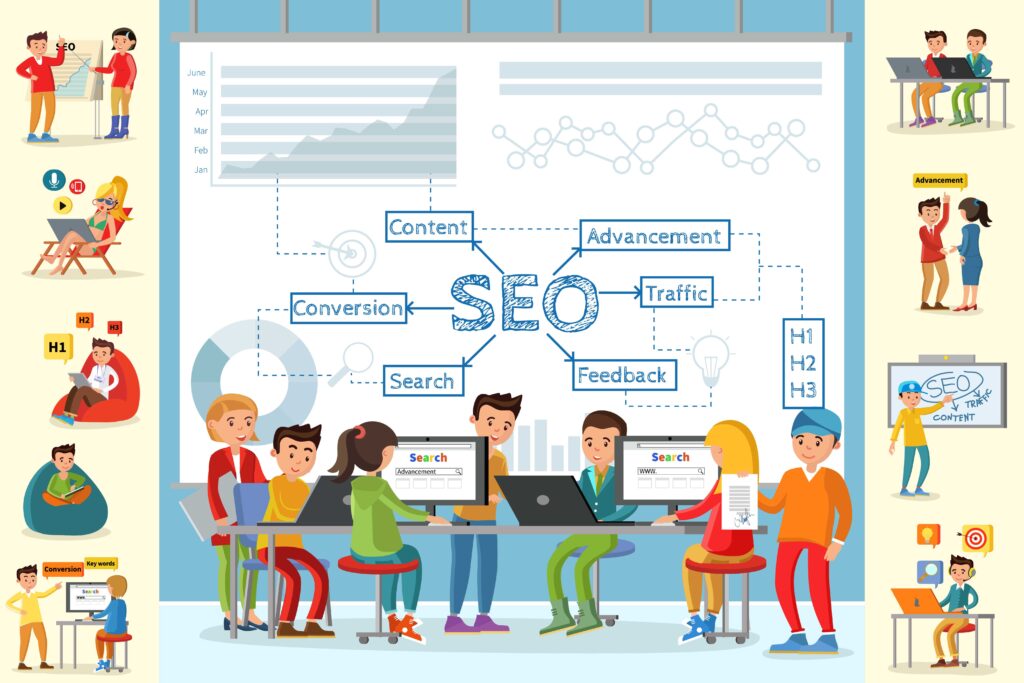
- Semantic HTML and headings: Proper heading structure (H1, H2, H3) helps screen readers and improves how search engines interpret page content.
- Alt text for images: Descriptive alt attributes make content available to visually impaired users and offer search engines context for images.
- Transcripts and captions: Adding captions to videos and transcripts for audio increases keyword-rich content and indexing opportunities.
- Faster load times: Accessibility pushes better performance, which is a direct ranking factor for search engines and improves mobile search experience.
- Improved crawlability: Logical navigation and link text help search engine crawlers and reduce duplicate or hidden content.
Common accessibility features that also boost SEO
- Alt text for images and icons
- Meaningful link text instead of “click here”
- Descriptive headings and semantic markup
- Keyboard accessibility and logical focus order
- High color contrast and scalable text
- Closed captions and audio transcripts
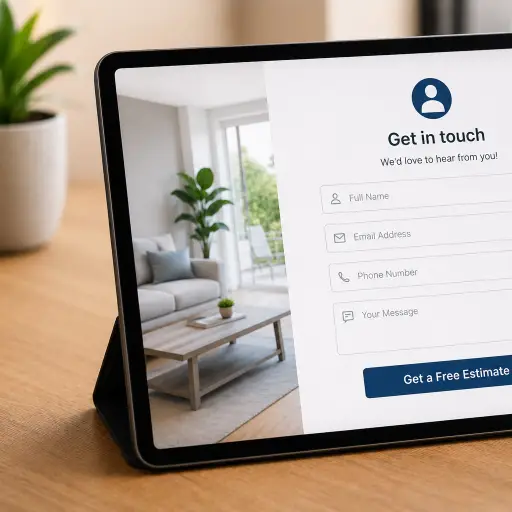
- Accessible forms with labels and error messages
Legal and business considerations
Accessibility is increasingly a legal issue. Lawsuits involving inaccessible websites have targeted businesses of all sizes. Beyond legal risk, there’s a clear business case: making your site accessible widens your audience, improves local search visibility, and increases conversions from visitors who can easily find pricing, contact forms, and service areas.
Practical steps small businesses can take now
Start with a simple audit and low-effort fixes that deliver immediate impact:
- Run automated accessibility scans (e.g., Lighthouse, WAVE) to find obvious issues.
- Add descriptive alt text to your most important images.
- Ensure your site uses clear headings, descriptive link text, and visible focus styles for keyboard users.
- Provide captions for videos and transcripts for audio on service pages.
- Check color contrast and allow users to resize text without breaking layout.
- Test your site with keyboard-only navigation and a basic screen reader like NVDA or VoiceOver.
How an accessible site supports local SEO
Local customers often search for service providers on mobile devices. Accessibility practices that improve mobile usability—fast load times, clear contact buttons, and simple forms—also help local search performance. Structured data (schema) used to mark up business information is both an accessibility aid (clearer content for assistive tech) and a ranking enhancer for local search results.
Accessibility is an investment, not a cost
Small improvements compound. Better usability reduces calls for basic questions, increases appointment requests, and raises customer satisfaction. For trades and home services, clear calls-to-action (click-to-call), intuitive booking forms, and accessible service descriptions turn visitors into customers.
Conclusion
Website accessibility improves user experience, expands your customer base, and strengthens SEO—especially for small, local businesses. It reduces legal risk, improves conversions, and aligns with best practices for site performance and mobile use. Making your site accessible is smart business.
Ready to make your website accessible and boost local search performance? Contact Boise WEB to get started today.