
For small business owners in trades, home services, and other blue-collar industries, time and budget are precious. Marketing channels come and go, but your website remains the one asset you control. Positioning your website as the center of your marketing strategy gives you consistent lead generation, stronger local visibility, and measurable return on investment.
Definitions and small vocabulary guide
- Conversion: When a visitor completes a desired action, like submitting a form or calling your business.
- Landing page: A focused page created for a single offer or campaign, designed to maximize conversions.
- Local SEO: Optimization techniques that help your business show up in local search results and map listings.
Why the website should be central
- Control and ownership: Social platforms can change rules, reduce reach, or close accounts. Your website stays yours — content, customer data, and design remain under your control.
- Conversion-focused experience: A website lets you create tailored landing pages, clear calls-to-action, and booking flows that guide prospects from first visit to hire.
- Search visibility: Your site is the primary asset that benefits from SEO and local search optimization, helping customers in your service area find you.
- Cost efficiency: Paid ads and listings are useful, but a well-optimized website improves organic traffic over time, lowering customer acquisition costs.
Core elements every marketing hub needs
To act as an effective center, your website should combine these core elements:
- Fast, mobile-friendly design: Most local searches happen on phones. Page speed and responsive layouts reduce bounce rates and improve search rankings.
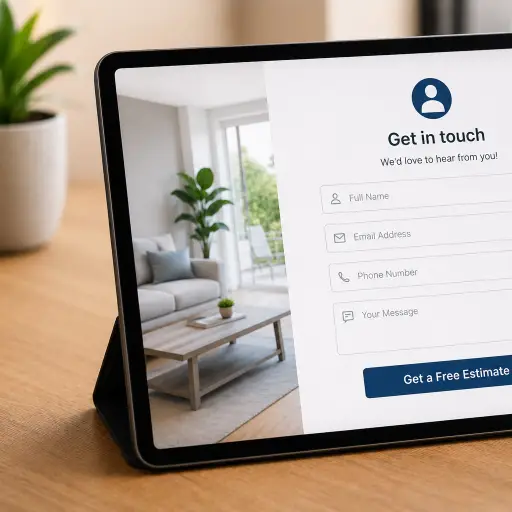
- Clear calls-to-action (CTAs): Prominent phone buttons, request-a-quote forms, and booking widgets make it easy for customers to take the next step.
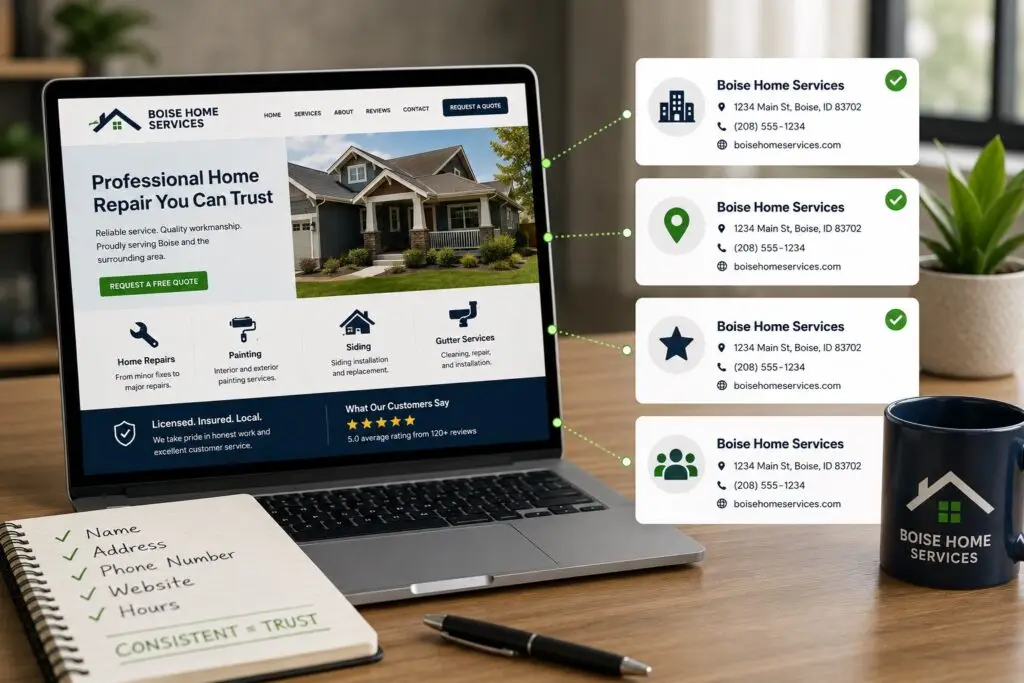
- Local SEO signals: Service pages, location schema, and accurate NAP (name, address, phone) details support Google My Business and local pack visibility.
- Landing pages for campaigns: Whether you run Google Ads or social ads, dedicated landing pages increase relevance and conversion rates.
- Analytics and tracking: Tools like Google Analytics and conversion tracking let you measure what works and where to invest.
Practical steps to centralize your marketing
- Audit your site: Review pages, content, site speed, and mobile behavior. Identify high-value pages (services, contact, testimonials) and optimize them first.
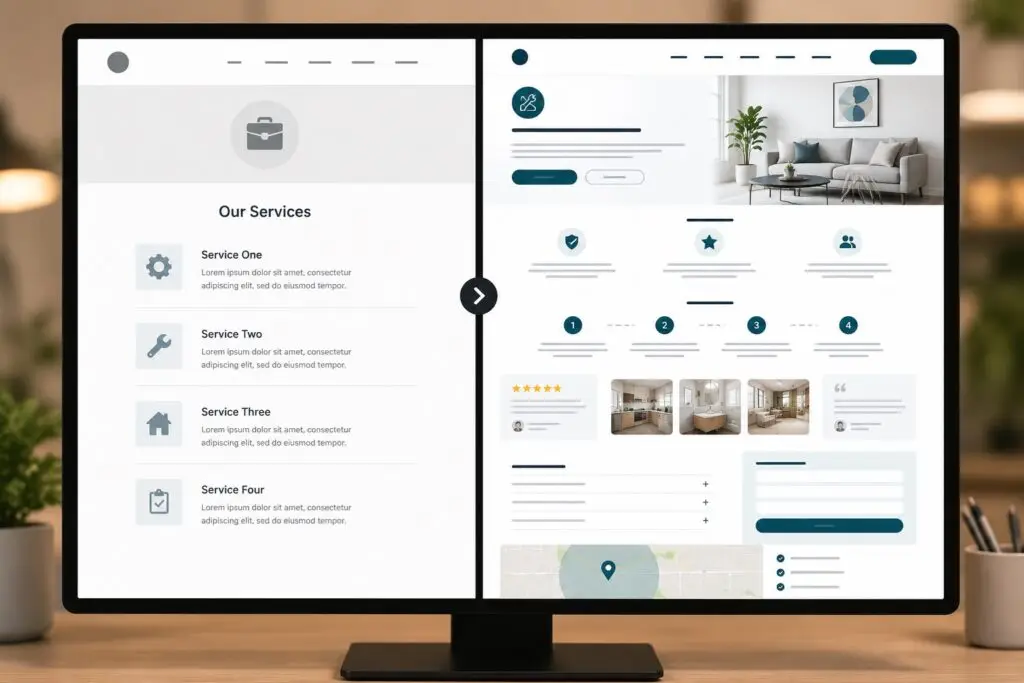
- Prioritize user experience: Simplify navigation, shorten contact forms, add click-to-call buttons, and showcase before-and-after photos or project galleries to build trust.
- Create targeted service pages: Build separate pages for each service and neighborhood you serve. These pages improve local SEO and give you entry points for ads and social posts.
- Use landing pages for ads: Match messaging between your ad and landing page. A consistent headline, a clear CTA, and a form tailored to the campaign will improve conversions.
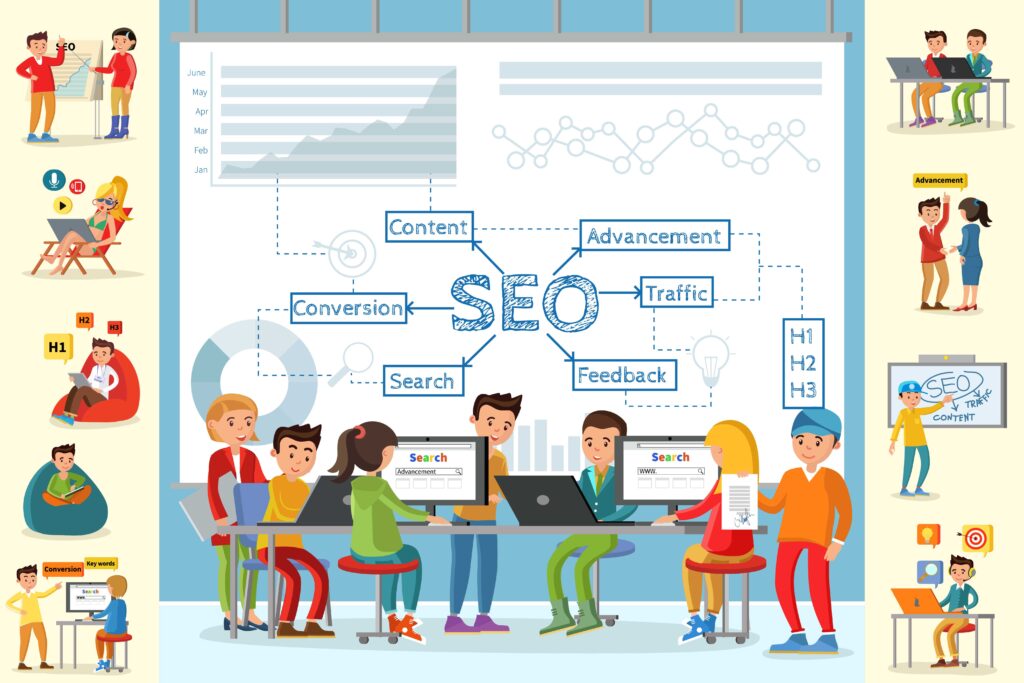
- Implement basic SEO: Optimize page titles, meta descriptions, headings, and image alt text. Focus on local keywords and phrases customers use, such as “emergency plumber Boise” or “residential HVAC repair near me.”
- Measure conversions: Track phone calls, form submissions, and booking completions. Use that data to refine pages and allocate marketing spend to the best-performing channels.
- Keep content fresh: Add service updates, project stories, FAQs, and blog posts that answer common customer questions. Fresh content helps with rankings and builds authority.
Common marketing channels and how the website fits
Your website should be the destination for all marketing channels:
- SEO: Organic search drives buyers who are actively looking for services. Your website provides the content and structure that search engines index.
- Pay-per-click (PPC): Ads bring traffic quickly, but landing pages on your site convert that traffic into leads.
- Social media: Social posts direct prospects to service pages, project galleries, and promotions on your site.
- Email marketing: Use your site to host sign-up offers, then send targeted campaigns to nurture leads and repeat customers.
Real-world examples for trades and home services
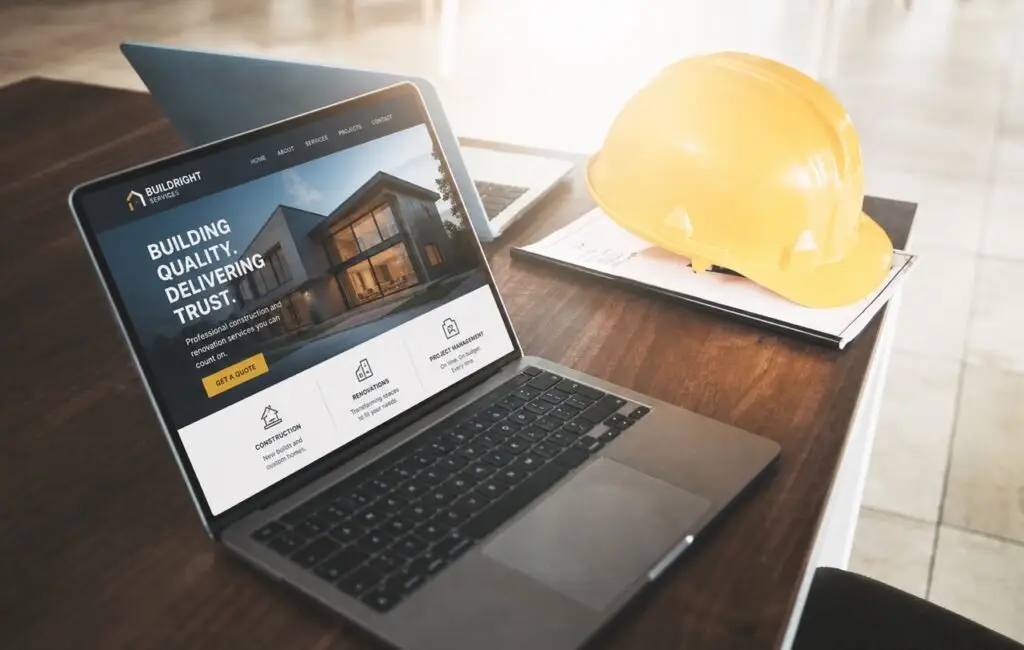
For a contractor or plumber, practical site features might include an emergency service page with a prominent phone button, a cost estimator form for quick leads, and a gallery of completed jobs to build credibility. For electricians or HVAC companies, offering online booking for routine maintenance and posting seasonal blog posts (for example, “Preparing Your Furnace for Winter”) can drive targeted traffic and repeat business.
Boise WEB’s approach is built for small businesses: we focus on clear messaging, efficient processes, and affordable solutions so your website becomes a reliable lead generator without breaking the bank.
Conclusion
Centering your marketing on your website gives you control, measurability, and long-term value. By combining fast performance, clear calls-to-action, local SEO, and ongoing content, your site becomes the dependable hub that turns searches into paying customers. For small businesses in trades and home services, this is the most practical and cost-effective way to grow.
Ready to make your website the hub of your marketing? Contact Boise WEB for an affordable site audit, local SEO help, or a custom website that converts. We make communication easy, deliver professional results, and keep costs affordable so you can focus on running your business.