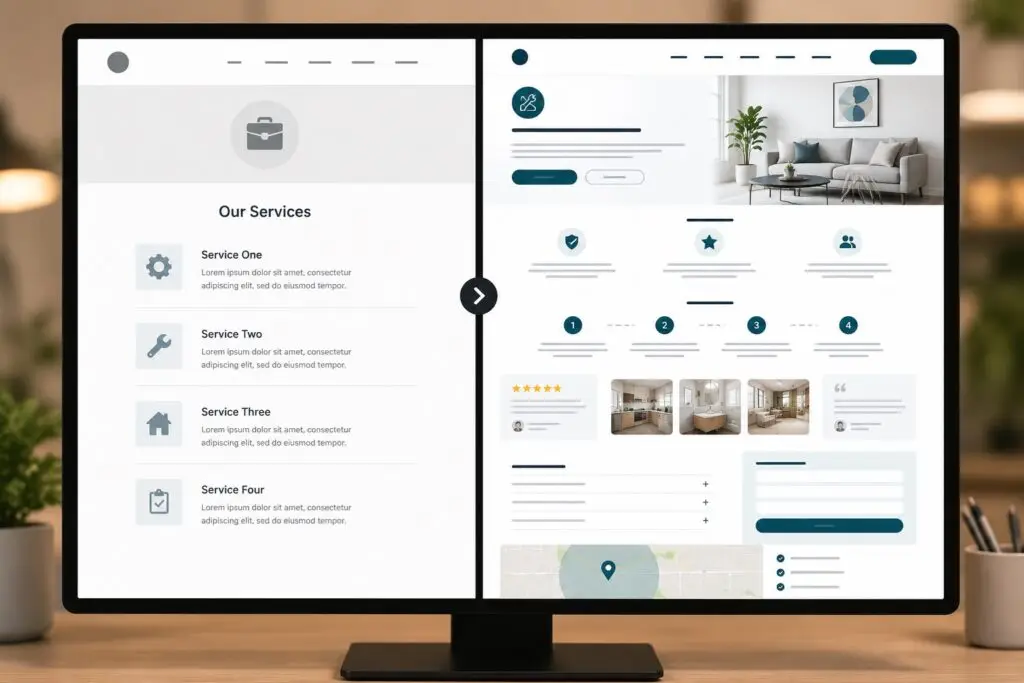

In today’s fast-paced digital landscape, maintaining a strong online presence is crucial for business success. However, there comes a time when even the most established brands may need to consider a rebrand. Rebranding involves changing elements of your business’s identity, such as the name, logo, or overall messaging, to better align with your current goals and market conditions. But when is the right time to undertake such a significant change, and why is it beneficial?
Signs It’s Time to Rebrand
- Market Evolution: If your industry has shifted or evolved, your brand may need to adapt to stay relevant. For example, technological advancements can render your current branding outdated.
- Customer Feedback: Negative feedback or declining customer engagement can indicate that your brand no longer resonates with your target audience.
- Expansion or Diversification: When your business expands its services or enters new markets, a rebrand can help communicate your broader offerings.
- Consistency Issues: If your branding is inconsistent across different platforms, a rebrand can ensure a unified and professional appearance.
- Mergers and Acquisitions: Combining brands after a merger or acquisition requires a new, cohesive brand identity.
Benefits of Rebranding
- Renewed Interest: A fresh brand can spark interest among existing customers and attract new ones.
- Competitive Edge: Rebranding can differentiate your business from competitors, highlighting your unique value propositions.
- Improved Perception: Updating your brand can enhance your business’s reputation, making it appear more modern and trustworthy.
- Clearer Messaging: A rebrand allows you to refine your messaging, ensuring it accurately reflects your mission and values.
- Employee Morale: A new brand can boost employee pride and engagement, fostering a stronger company culture.
Steps to a Successful Rebrand
- Assess Your Current Brand: Analyze what works and what doesn’t in your current branding strategy. Gather feedback from customers and stakeholders.
- Define Your Goals: Clearly outline what you aim to achieve with the rebrand, whether it’s attracting a new audience, entering new markets, or repositioning your business.
- Research Your Market: Understand your competitors and market trends to ensure your new brand stands out and meets customer needs.
- Develop a New Brand Identity: Create new logos, color schemes, and messaging that align with your defined goals and market research.
- Implement the Rebrand: Update your online presence, including your website, social media profiles, and marketing materials, to reflect the new brand identity.
- Communicate with Stakeholders: Inform your customers, employees, and partners about the rebranding process and the reasons behind it.
- Monitor and Adjust: After the rebrand, track its impact and be prepared to make adjustments as needed to ensure it meets your objectives.
Role of Professional Web Services in Rebranding
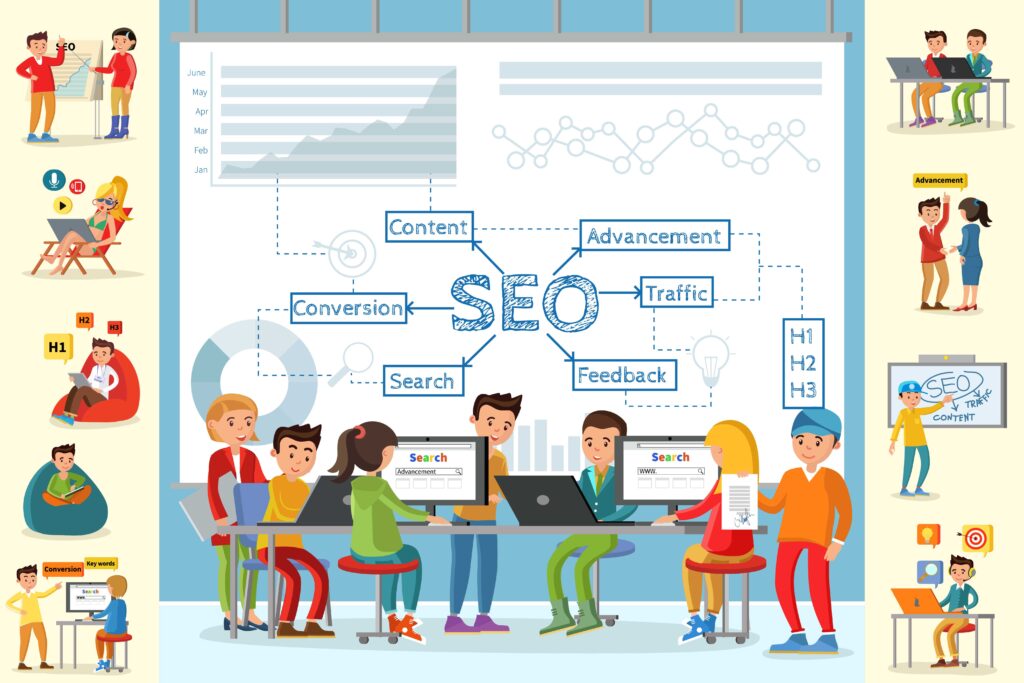
Rebranding is not just about aesthetics; it requires a strategic approach to align your online presence with your new brand identity. Partnering with a professional web service like Boise WEB ensures that your rebrand is implemented seamlessly across all digital platforms. From designing a new website to optimizing your SEO, experts can help you navigate the complexities of rebranding, ensuring consistency and effectiveness.
Conclusion
Rebranding your business online can rejuvenate your brand, attract new customers, and keep you competitive. Recognizing the right time and executing the process effectively are crucial for success.
Contact Boise WEB today to start your rebranding journey!