

For years some site owners believed that repeating a target phrase dozens of times would send them to the top of search results. Today, search engines use advanced algorithms and natural language understanding to evaluate value, not raw keyword density. That means content quality matters far more than stuffing pages with keywords. For small businesses, trades, and home-service providers, investing in clear, helpful content is the fastest path to sustainable local SEO success.
Why keyword stuffing fails
Keyword stuffing is the practice of overusing a specific phrase to manipulate ranking signals. Historically it sometimes worked because early search engines relied heavily on exact-match text. Modern engines, however, penalize spammy repetition and reward content that demonstrates topical depth, relevance, and trustworthiness. Over-optimized text can trigger algorithmic penalties, raise bounce rates, and damage credibility with customers.
What search engines evaluate now
Search engines analyze a mix of signals beyond keywords:
- User intent: Does the page satisfy what users are trying to accomplish?
- Content relevance and depth: Is the information complete and helpful for the topic?
- Engagement metrics: Time on page, bounce rate, and return visits indicate usefulness.
- Topical authority: Does the site consistently cover related topics and provide expert answers?
- Technical quality: Page speed, mobile friendliness, and structured data affect visibility.
- Trust signals: Reviews, citations, author expertise, and backlinks support credibility.
These signals align with user-focused ranking frameworks like E-E-A-T (Experience, Expertise, Authoritativeness, Trustworthiness). For local service providers, demonstrating real-world experience and practical solutions is more convincing than repeating a phrase.
LSI and semantic search: the smarter way to optimize
Latent Semantic Indexing (LSI) and semantic search refer to how search engines interpret related concepts and synonyms, rather than relying on exact matches. Instead of stuffing pages with the same keyword, use natural language that covers related subtopics and questions. For example, a local HVAC company should include terms like “furnace repair,” “maintenance checklist,” “seasonal tune-up,” and location-based phrases naturally in service descriptions, FAQs, and blog posts.
Practical content tips for small businesses
Here are actionable steps Boise WEB recommends for small business websites that want to improve SEO without resorting to keyword stuffing:
- Focus on user intent: Identify whether searchers want information, a local service, or to make a purchase. Build pages that answer that intent clearly—service pages for hire intent, blog posts for informational queries.
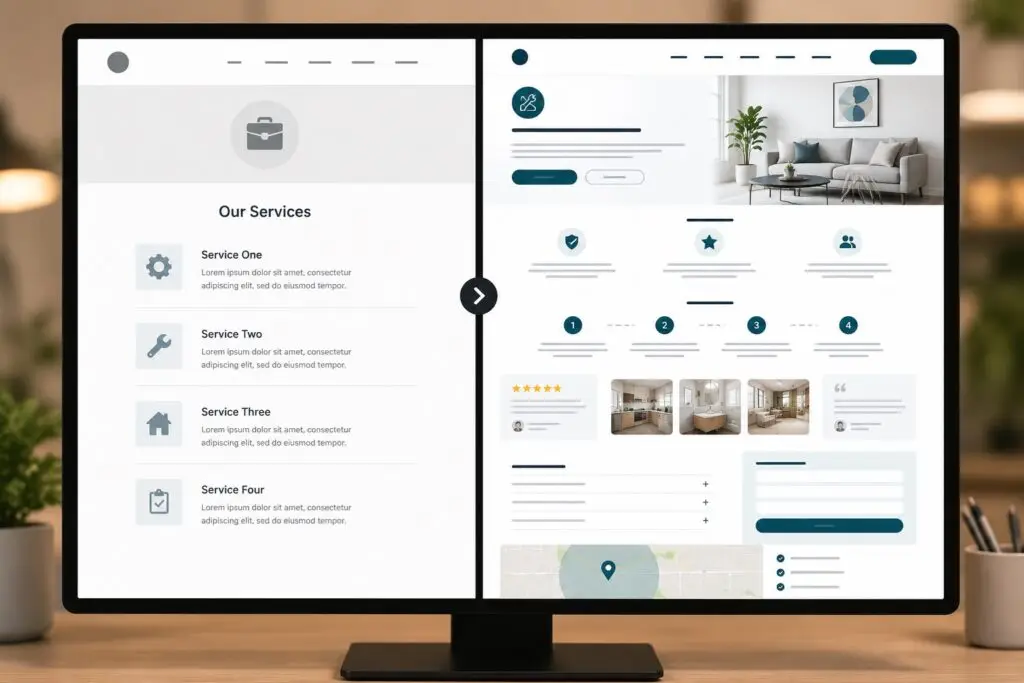
- Create useful service pages: Describe services, common problems you solve, pricing ranges if applicable, and what customers can expect. Include local signals such as service areas and examples of past jobs.
- Use natural, conversational language: Write as you would explain your service to a customer. Use variations and related phrases rather than repeating the same keyword phrase.
- Add a clear call to action: Every service page should guide visitors to contact you, request a quote, or schedule an appointment.
- Answer common questions: Build an FAQ section or blog content that addresses typical customer concerns. FAQ pages capture featured snippets and voice search queries.
- Structure content with headers: Use H2 and H3 headings to break up topics. This helps readers and search engines understand the page structure.
- Optimize meta tags sparingly: Include a concise title and meta description that reflect the page content and primary intent, without stuffing keywords.
- Improve technical SEO: Ensure fast load times, mobile responsiveness, and schema markup for local business information.
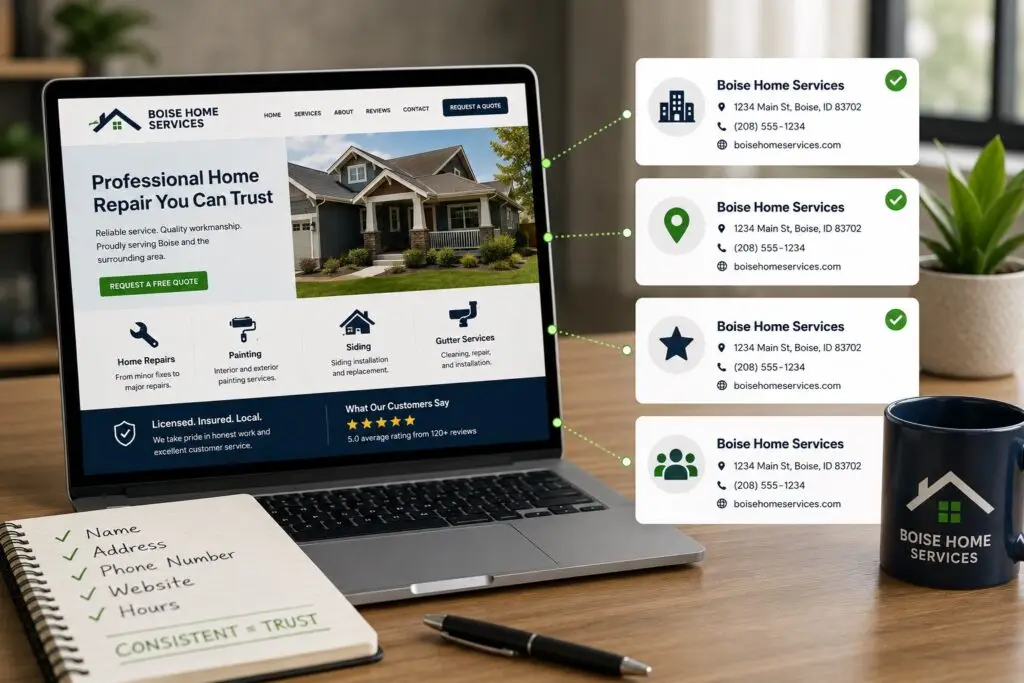
- Collect reviews and local citations: Reviews and consistent NAP (name, address, phone) listings increase trust and local relevance.
- Measure and iterate: Track organic traffic, conversions, page engagement, and keyword positions to prioritize improvements.
Examples that work better than stuffing
Instead of repeating “emergency plumber Boise” multiple times on a page, create a well-structured service page that includes:
- An opening paragraph explaining 24/7 plumbing services and common emergencies.
- A section that lists specific problems like burst pipes, blocked drains, and gas leaks, with short descriptions of how you fix them.
- Local proof points such as service area, recent projects, and customer testimonials.
- Practical advice and next steps for users in an emergency.
- A clear phone number and contact button visible on both desktop and mobile.
This approach provides relevance, builds trust, and captures broader search intent without awkward repetition.
Why quality content yields better ROI
High-quality content attracts the right visitors, improves conversion rates, and earns backlinks and social shares. Over time, these organic signals lead to stronger rankings and more predictable lead generation. For small businesses with limited budgets, investing in targeted, useful content produces a better return than quick wins from manipulative tactics.
Conclusion
Keyword stuffing is a short-sighted tactic that risks penalties and poor user experiences. Modern SEO rewards content that answers user intent, demonstrates expertise, and is structured for readability and trust. Small businesses should prioritize content quality, local relevance, and user-focused optimization to build lasting online visibility.
Ready to improve your website content and get more local customers? Contact Boise WEB for affordable, professional website design and local SEO tailored to trades and home-service businesses. We can help you turn quality content into real leads.