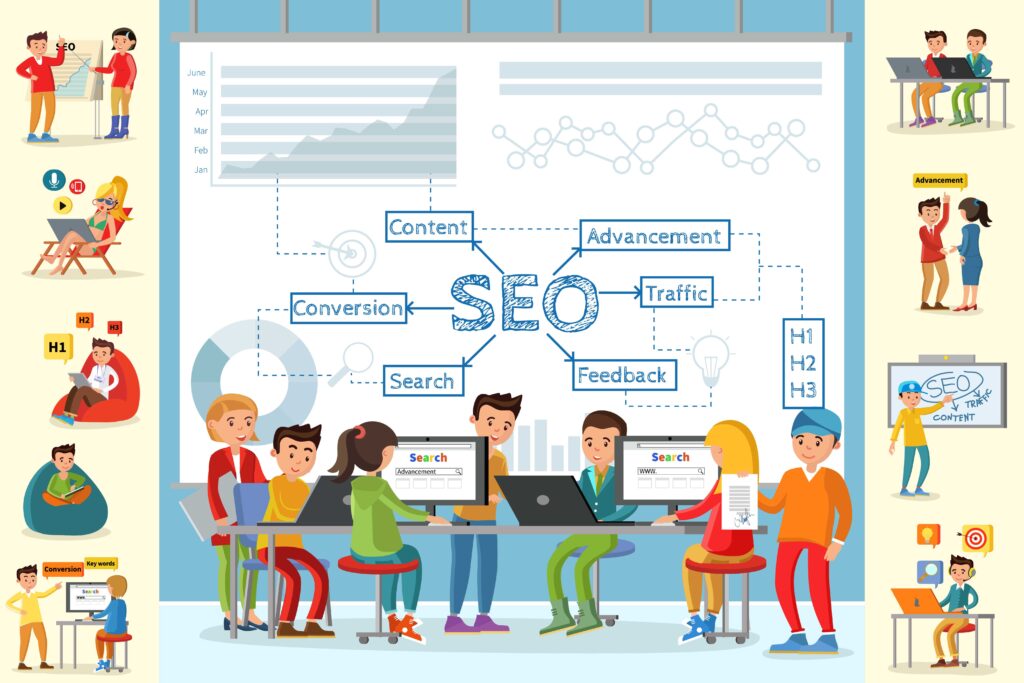
Artificial intelligence is no longer a futuristic concept; it is part of the everyday toolkit that shapes how potential customers find local businesses. For blue-collar and home-service companies—plumbers, electricians, landscapers, HVAC technicians—AI-driven changes to search algorithms and local platforms mean new opportunities to increase visibility in “near me” searches and local service queries.
Definitions and brief history for context
Search engine optimization (SEO): The practice of improving a website to increase organic visibility in search engines.
Local SEO: A subset of SEO focused on improving visibility for location-based queries. It includes Google Business Profile, local citations, and localized content.
Schema markup (structured data): Code added to a site that helps search engines understand content and present it in rich results.
Why it matters now: Advances in natural language processing (NLP) and machine learning allow search engines to interpret user intent and content context more accurately, shifting emphasis toward relevance, trustworthiness, and local signals.
Below are the key areas where AI is changing local SEO and practical actions small businesses can take.
1. Smarter keyword research and intent mapping
Traditional keyword lists are evolving into intent-driven topic clusters. AI tools analyze large volumes of search queries and surface long-tail, conversational phrases that real customers use, especially voice search queries like “emergency plumber near me” or “best HVAC repair in Boise.” For local businesses, focusing on those intent signals improves relevance in local search and featured snippets.
- Action: Use AI-assisted keyword tools to find long-tail local phrases. Prioritize pages that match buyer intent (book, call, request estimate).
2. Enhanced Google Business Profile (GBP) performance
AI helps platforms like Google understand business attributes and match them to local queries. Automated classification, image recognition, and review sentiment analysis all feed into rankings and how your business appears in the Local Pack.
- Action: Keep your GBP complete and current. Use AI to analyze review sentiment and produce draft responses, then edit for tone and accuracy.
- Action: Add high-quality photos, updated service categories, and regularly post offers and updates to improve local relevance.
3. Content creation and optimization—faster but not hands-off
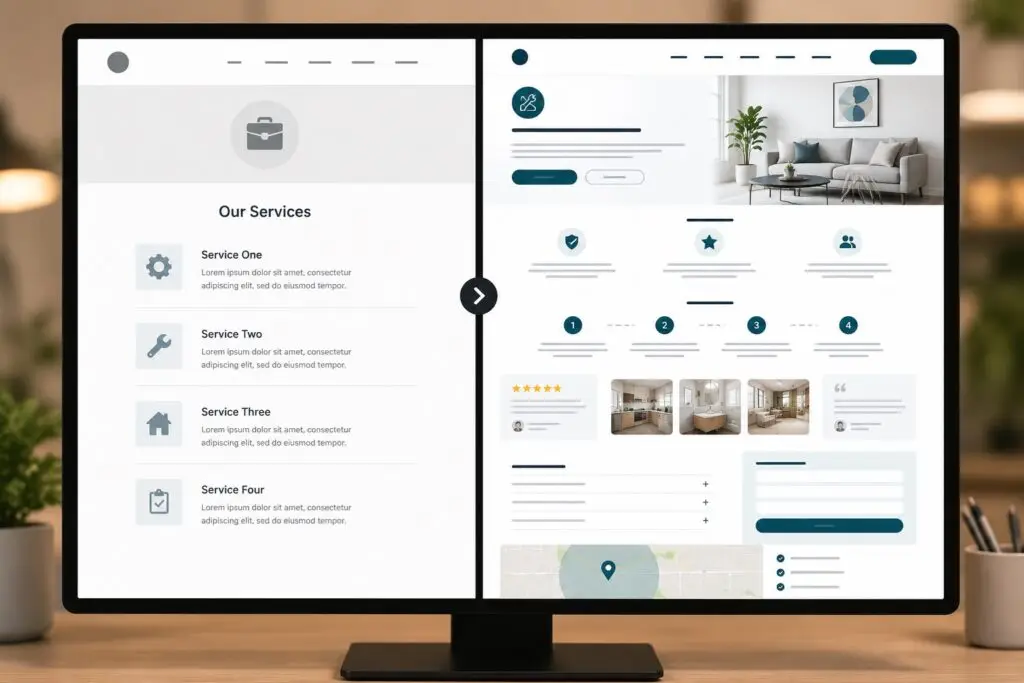
AI can generate content briefs, suggest headings, and produce draft copy that targets local search queries. This speeds up producing service pages, FAQ sections, and location pages. However, search engines reward authoritative, region-specific, and trustworthy content—particularly for service-based businesses—so human editing is essential.
- Action: Use AI to create structured drafts, then add local details: neighborhoods served, specific job examples, project photos, and customer testimonials.
- Action: Publish FAQ-rich content that answers practical customer questions. Use schema markup for FAQs so search engines can show answers directly in search results.
4. Structured data and technical SEO
AI-powered crawlers and indexing systems rely heavily on structured data to understand offerings and service areas. Implementing schema markup (LocalBusiness, Service, Review) helps search engines surface accurate details in rich results and voice assistants.
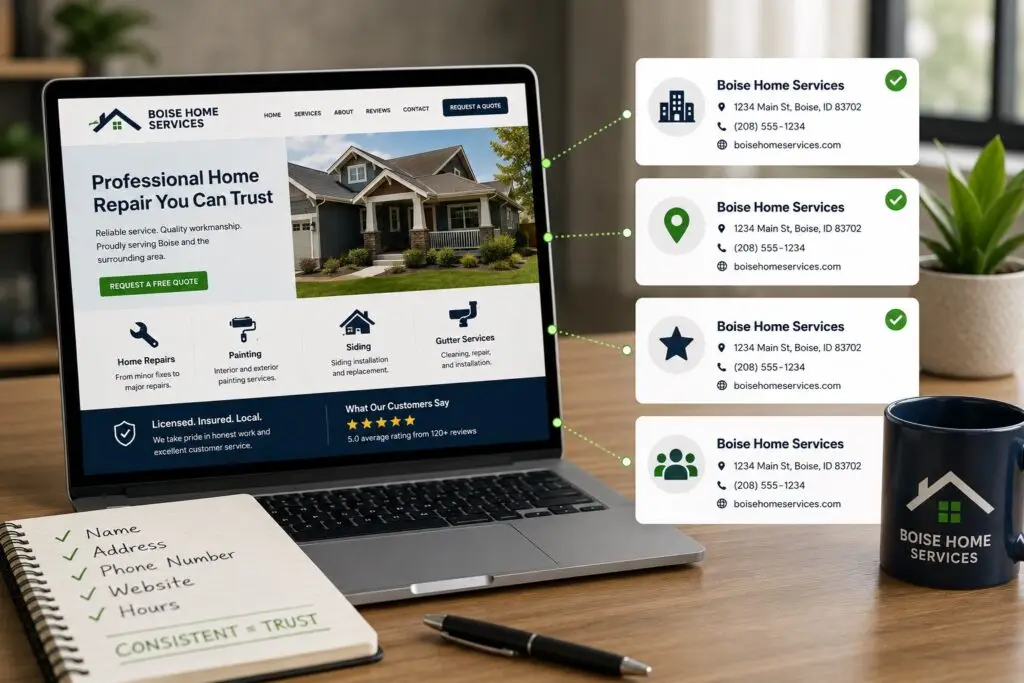
- Action: Add LocalBusiness schema with consistent NAP (name, address, phone). Mark up services and opening hours to support enhanced listing features.
- Action: Ensure fast mobile performance and crawlable site structure. AI-driven ranking factors increasingly emphasize mobile-first and speed metrics.
5. Reviews, reputation management, and automated responses
Reviews are a strong local ranking signal. AI helps by summarizing sentiment, prioritizing which reviews need a response, and drafting professional replies. Timely, human-reviewed responses improve trust and local conversion rates.
- Action: Solicit reviews after completed jobs and respond quickly. Use AI to monitor mentions and detect negative trends early.
6. Local link signals and citation management
AI tools can audit citation consistency across directories, identify broken backlinks, and suggest high-value local directories or partner sites. Consistent citations and quality local backlinks remain important for local search authority.
- Action: Regularly audit local citations and fix inconsistent NAP entries. Prioritize links from local chambers, suppliers, and trade associations.
7. AI and automation for small teams
For solo owners and small crews, AI reduces time spent on repetitive SEO tasks. Automated reporting, content templates, and priority task lists let you focus on jobs while maintaining an optimized online presence. But keep a human in the loop for messaging and reputation-sensitive actions.
- Action: Automate low-risk tasks like rank tracking and reporting. Reserve voice and review responses for personalized, human-approved replies.
Conclusion
AI is reshaping local SEO by improving keyword intent analysis, enhancing business listing relevance, speeding content production, and automating monitoring tasks. For small trade and home-service businesses, the advantage goes to those who pair AI tools with local knowledge and human oversight: accurate business listings, region-specific content, quick review management, and solid technical fundamentals.
Want help applying AI-driven local SEO to grow your service business? Boise WEB specializes in local website design and practical SEO for trades and home-service companies. Reach out for a clear plan to attract more customers in Boise and surrounding areas.