Hiring a professional website designer can feel like a big step for a small business owner. Whether you run a trades business, a home services company, or a local shop, knowing the typical website build process helps you plan, budget, and participate effectively. Below is a practical walkthrough of the stages you will encounter during a professional website build.
1. Discovery and Goal Setting
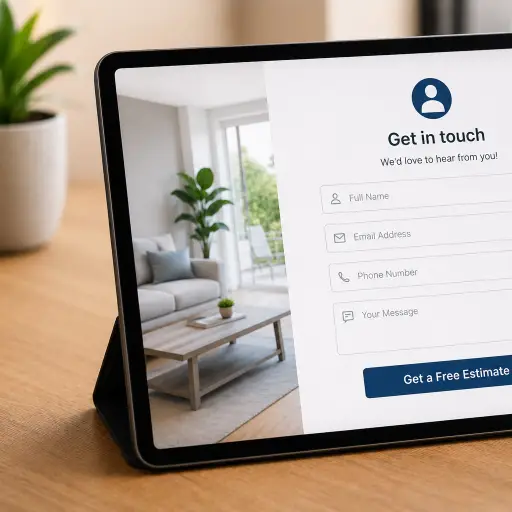
The project usually begins with a discovery phase. This is where the team learns about your business, target customers, primary services, and goals for the site. Expect a kickoff call or questionnaire that covers brand messaging, competitors, desired features (online booking, contact forms, appointment scheduling), and the outcomes you want—lead generation, phone calls, or online sales.
2. Planning and Information Architecture
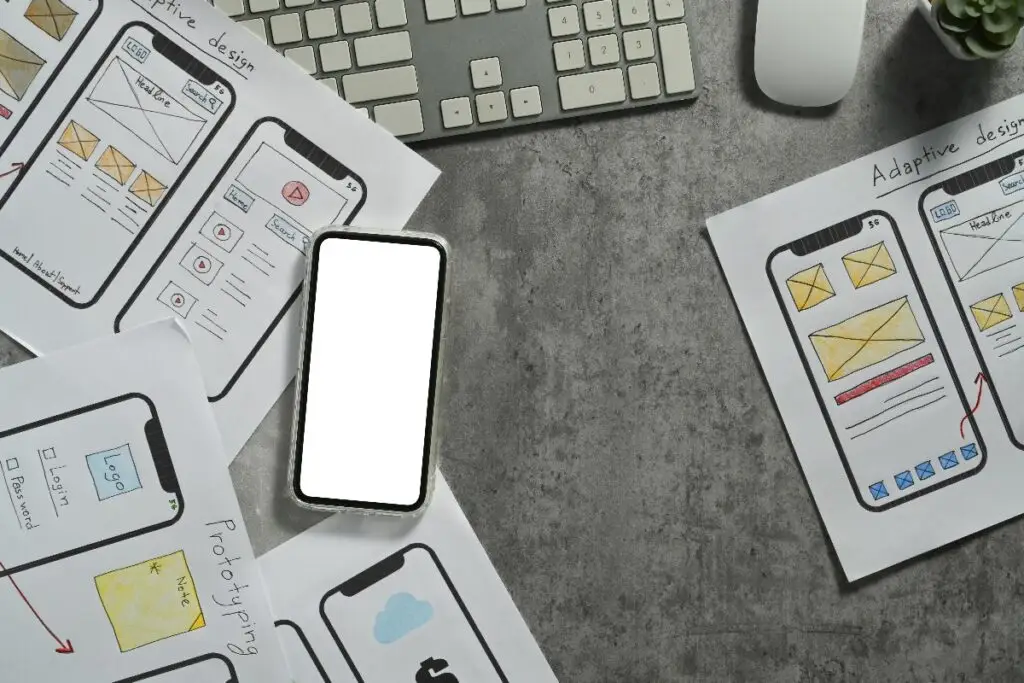
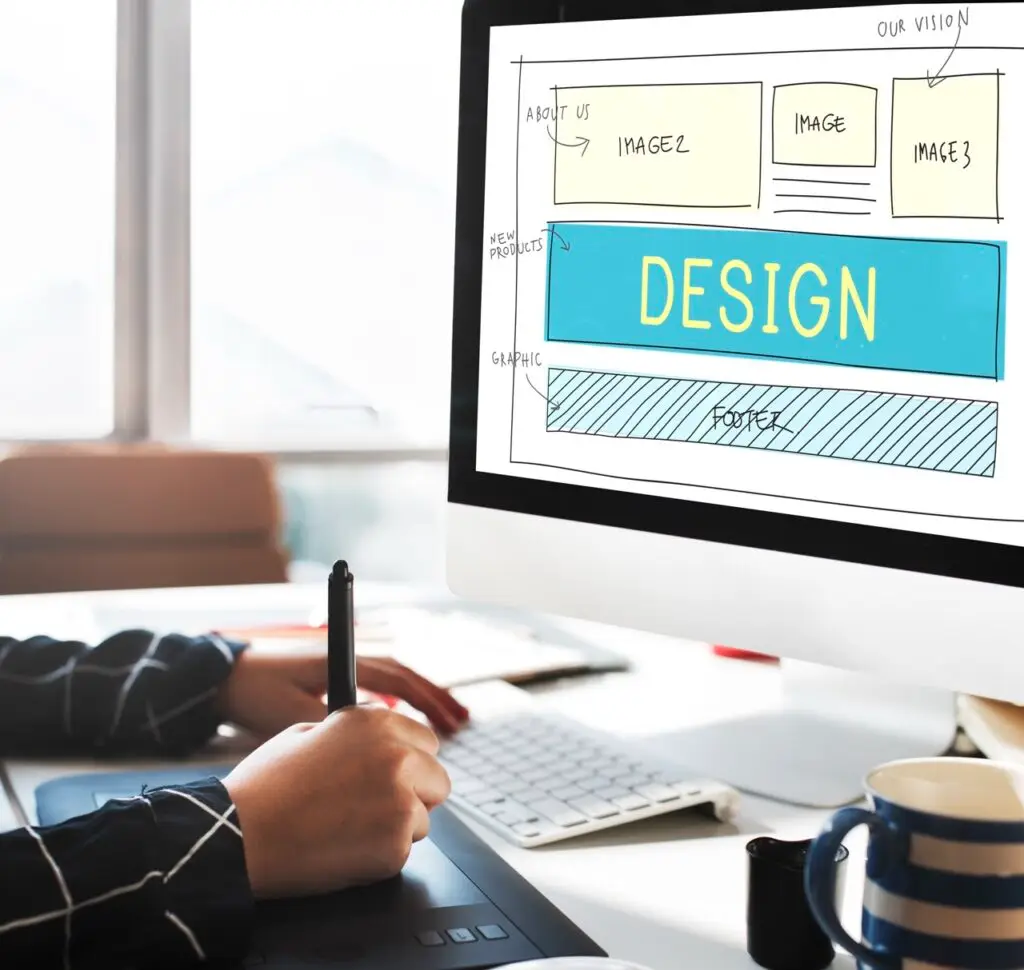
Planning transforms goals into structure. Designers create a sitemap and wireframes to map page hierarchy and user flow. A sitemap outlines the primary pages (home, services, about, contact), while wireframes show content placement and navigation. This step ensures your site’s structure supports user experience (UX) and search engine optimization (SEO).
3. Design and Visual Mockups
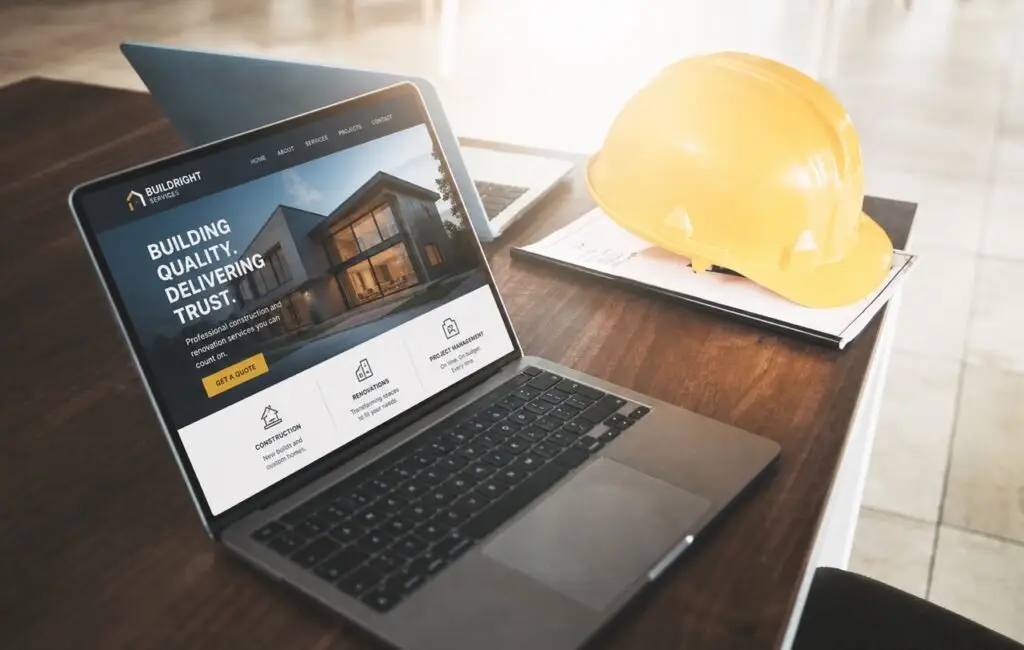
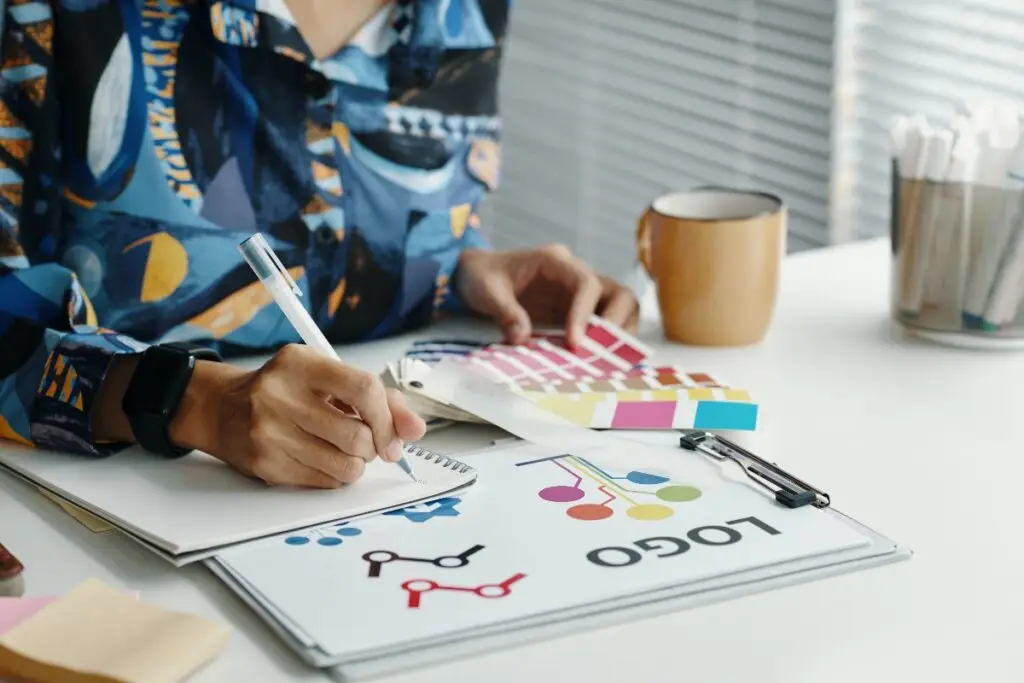
Designers develop visual mockups that reflect your brand—colors, fonts, imagery, and calls-to-action. Expect one or more design rounds, with feedback and revisions. Modern builds prioritize mobile-first and responsive design so the site works well on phones and tablets. At this stage, the homepage and a sample inner page are often approved before development begins.
4. Content Creation and Optimization
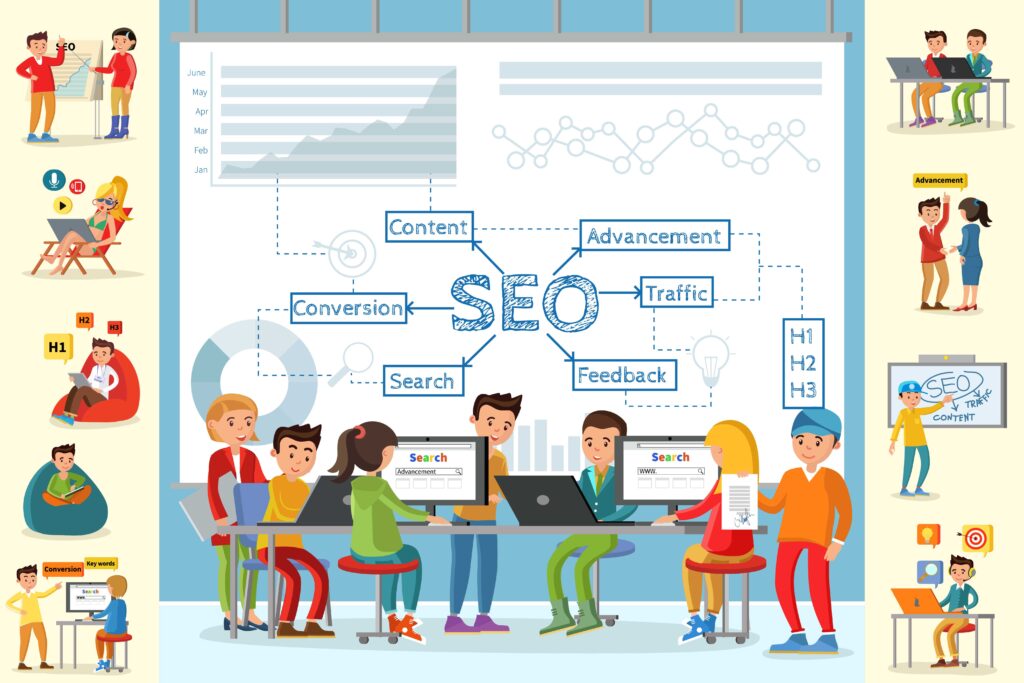
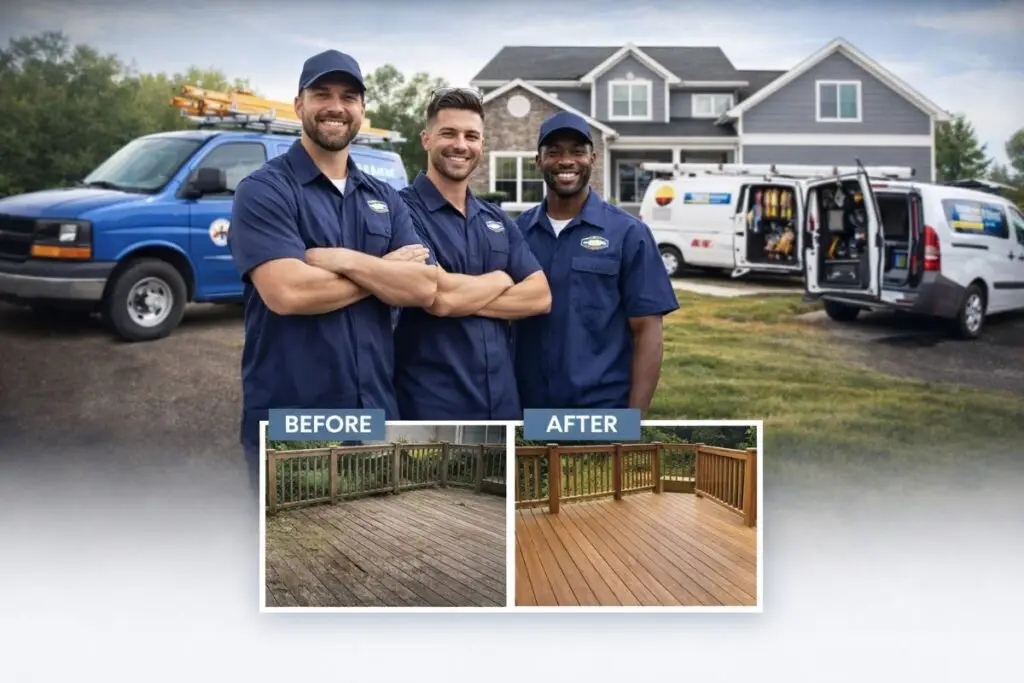
Content is where your message converts visitors into customers. Many agencies either write copy for you or guide you on content structure. Good content covers services clearly, uses local SEO keywords, and includes trust signals like testimonials, licenses, and before-and-after photos. Content optimization includes meta titles, descriptions, headings, and image alt text to improve search visibility.
5. Development and CMS Setup
Development brings design to life. Most small-business sites use WordPress or another user-friendly content management system (CMS). Developers convert mockups into a responsive theme, add plugins for functionality (forms, caching, security), and integrate tracking tools like Google Analytics and Search Console. Expect regular progress demos and a staging site link for review.
6. Testing, Quality Assurance, and Revisions
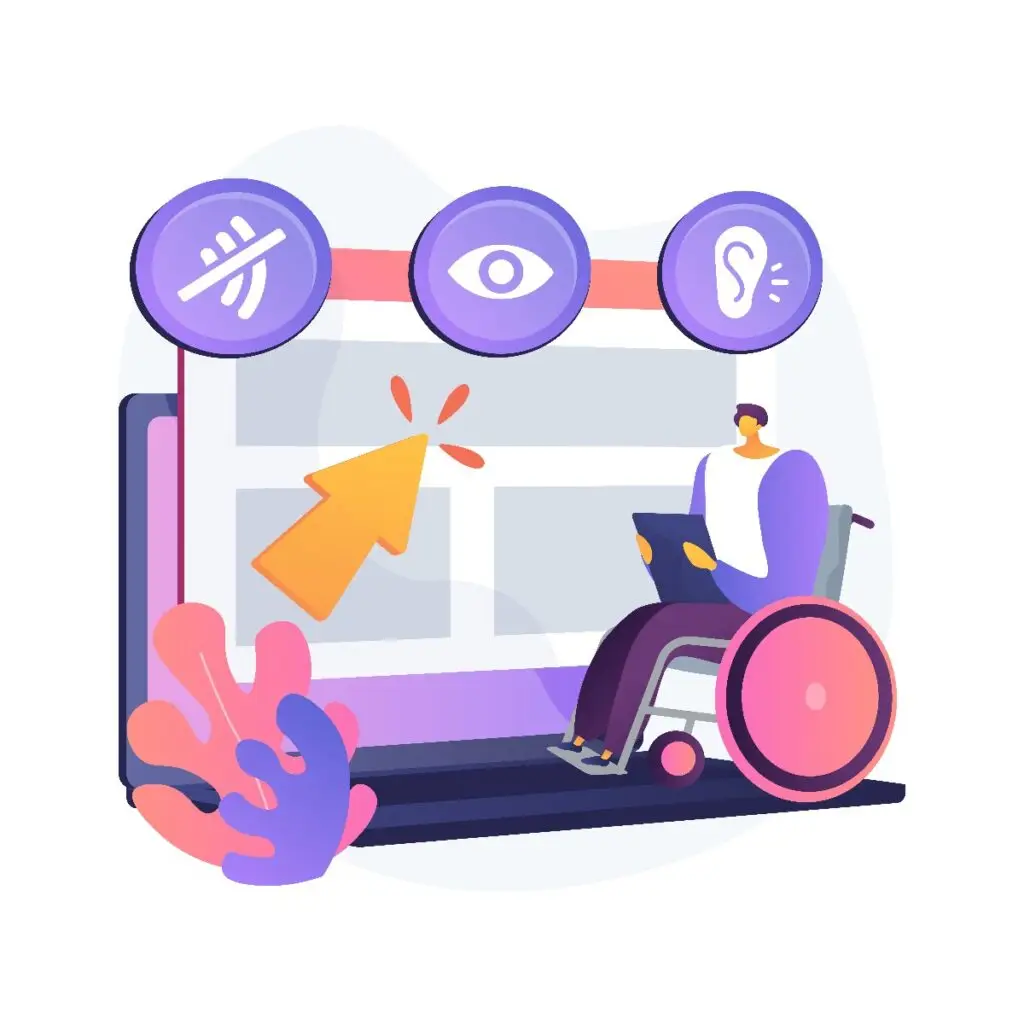
Before launch, the team performs testing: cross-browser checks, mobile functionality, form testing, page speed optimization, and SEO audits. Quality assurance (QA) catches broken links, layout shifts, and accessibility issues. You’ll be asked to review the site and provide consolidated feedback for final revisions.
7. Launch and Go-Live
Launch day involves moving the site from staging to your live domain, configuring DNS, setting up SSL for security, and running a final checklist. Expect temporary downtime if DNS changes are required. After launch, monitor analytics and search indexing to ensure traffic and forms work as expected.
8. Post-Launch Support and Maintenance
A professional team provides ongoing maintenance: software updates, security monitoring, backups, and optional monthly support for content updates or SEO work. Boise WEB emphasizes transparency and empowerment—your website is 100% yours, and we offer training, how-to videos, or hands-on edits depending on your Hosting plan.
Common Questions and Timeline
How long does a build take? Small brochure sites typically take 4 to 8 weeks; more complex projects with custom features may take longer. Timelines depend on timely client feedback, content readiness, and revision rounds. What about costs? Professional builds vary by complexity; transparent quotes and staged payments are common so you know what to expect.
How to Work Effectively with Your Web Team
- Provide timely feedback and required content early.
- Share examples of sites you like to clarify expectations.
- Keep decision makers involved for approvals.
- Ask for a clear timeline, milestone dates, and communication plan.
Working with a professional team like Boise WEB means you get a predictable process, clear milestones, and communication that respects your time. Our goal is to build a website that looks professional, converts visitors into customers, and supports your long-term growth.
Conclusion
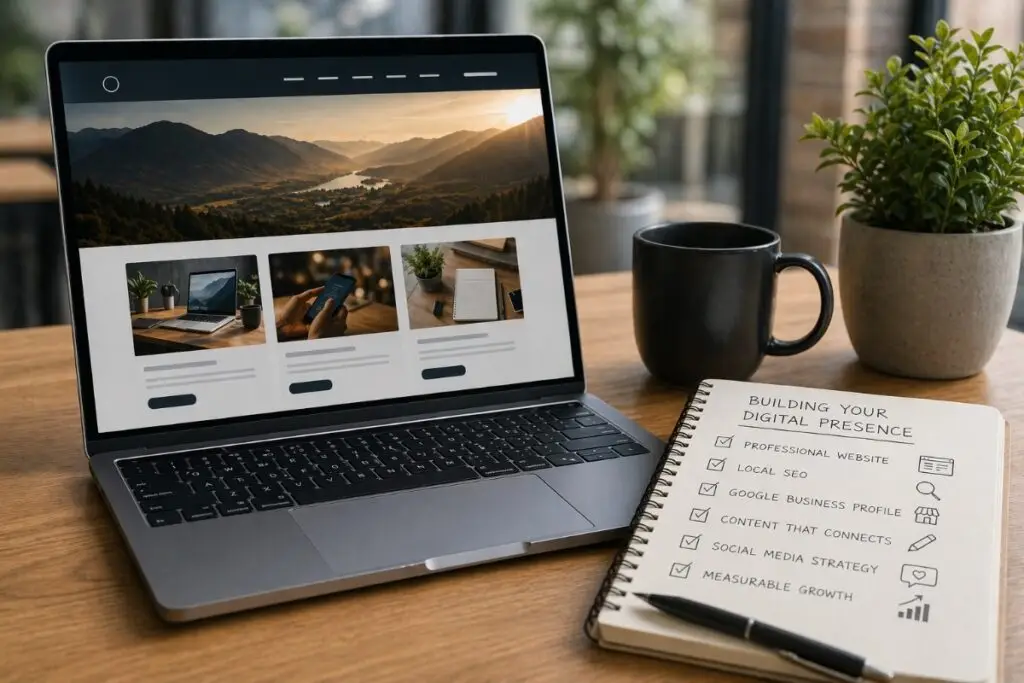
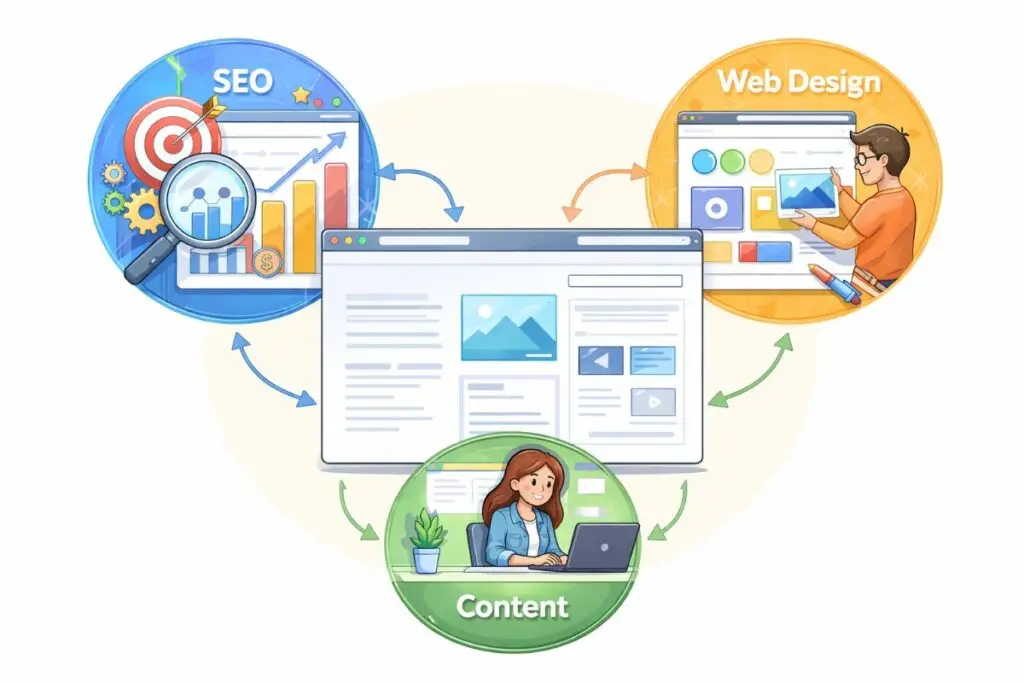
A professional website build is a step-by-step collaboration that turns your business goals into a functional, optimized online presence. Expect discovery, planning, design, development, testing, and ongoing support. With clear communication, timely feedback, and a trusted partner, the process is efficient and predictable.
Ready to start a professional website build that attracts local customers and grows your business? Contact Boise WEB for a free consultation and project estimate. Get in touch and let our USA-based team guide you from idea to launch.