
Key Concepts Defined
- Local pack / Map pack: The boxed group of business listings that appears for local queries, usually with a map and three highlighted businesses.
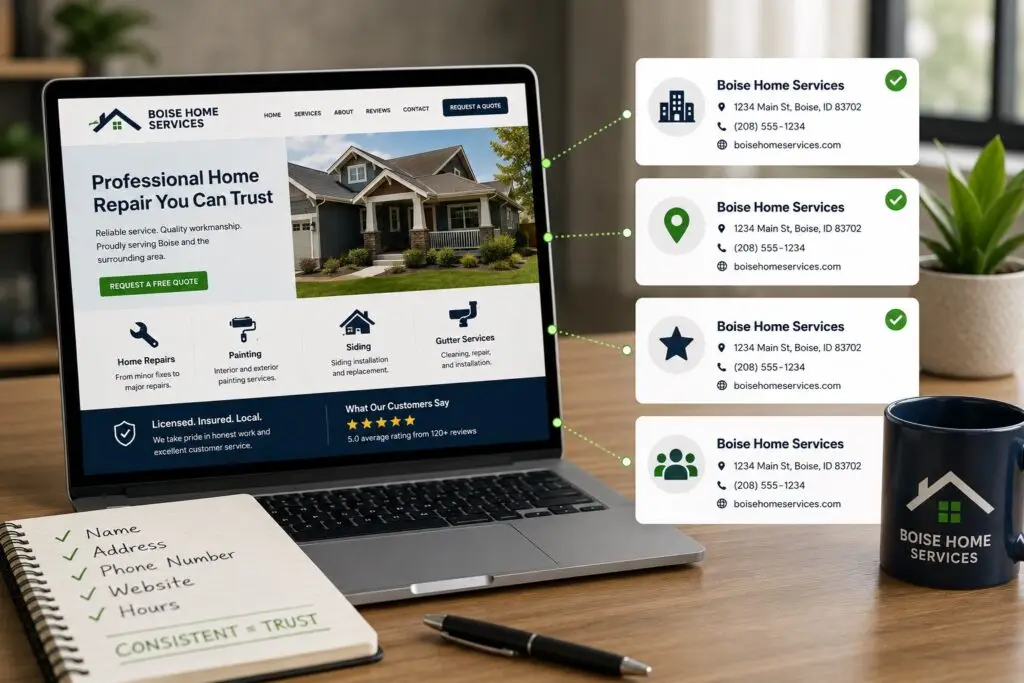
- NAP consistency: Name, Address, Phone number. Consistent NAP across directories and citations improves trust signals for search engines.
- Schema markup: Structured data added to a website to help search engines interpret content and potentially show rich snippets.
- Local citations: Mentions of your business on other websites and directories (with or without links) that help validate your presence.
Major Changes in Local Search
- Mobile-first and speed: Google now primarily uses the mobile version of content for indexing and ranking. Fast, mobile-friendly pages are essential for local visibility and user conversion.
- Google Business Profile sophistication: Business profiles (formerly Google My Business) display more details like services, booking links, FAQs, and product listings. These profiles often appear in the “local pack” or “map pack” that dominates screen real estate for local queries.
- Reviews and reputation: Online reviews have become more influential. Quantity, recency, and response rate all affect trust signals and click-throughs.
- Voice and conversational queries: Voice assistants drive more long-tail, conversational searches. Optimization for natural language and featured snippets helps capture these queries.
- Local intent and “near me” searches: Consumers increasingly combine service terms with proximity intent. Search engines tie results to perceived user intent, not just keywords.
- Structured data and rich results: Schema markup helps search engines understand business details—opening hours, service areas, reviews, and product info—often leading to enhanced SERP features.
- Zero-click and instant answers: More queries are answered directly on the results page. That increases the need for prominent profile optimization and rich content that earns featured snippets.
- Privacy and personalization limits: Greater privacy controls and less deterministic location data mean businesses must rely more on broader signals like relevance, reviews, and content quality.
Why These Changes Matter for Small Businesses
Local search changes determine whether a potential customer sees your phone number, directions, reviews, or competitor listings first. For trades and home services, where decisions are often immediate and local, appearing in the map pack can be the difference between a booked job and a missed lead. Local visibility now depends on a mix of technical, on-page, and reputation-focused tactics rather than keyword stuffing alone.
Practical Steps to Adapt
Here are actionable steps to align your small business with current local search expectations:
- Optimize your Google Business Profile: Claim and verify your profile, complete every relevant field, list services, add photos, and enable booking or messaging if available.
- Encourage and manage reviews: Ask satisfied customers for reviews, respond to feedback promptly, and address negative reviews constructively. Monitor review sites relevant to your industry.
- Ensure NAP consistency: Audit major directories and correct any inconsistencies. Use authoritative local directories and niche trade directories for citations.
- Use schema markup: Implement LocalBusiness, Service, GeoCoordinates, and OpeningHours schema to improve the chance of rich results.
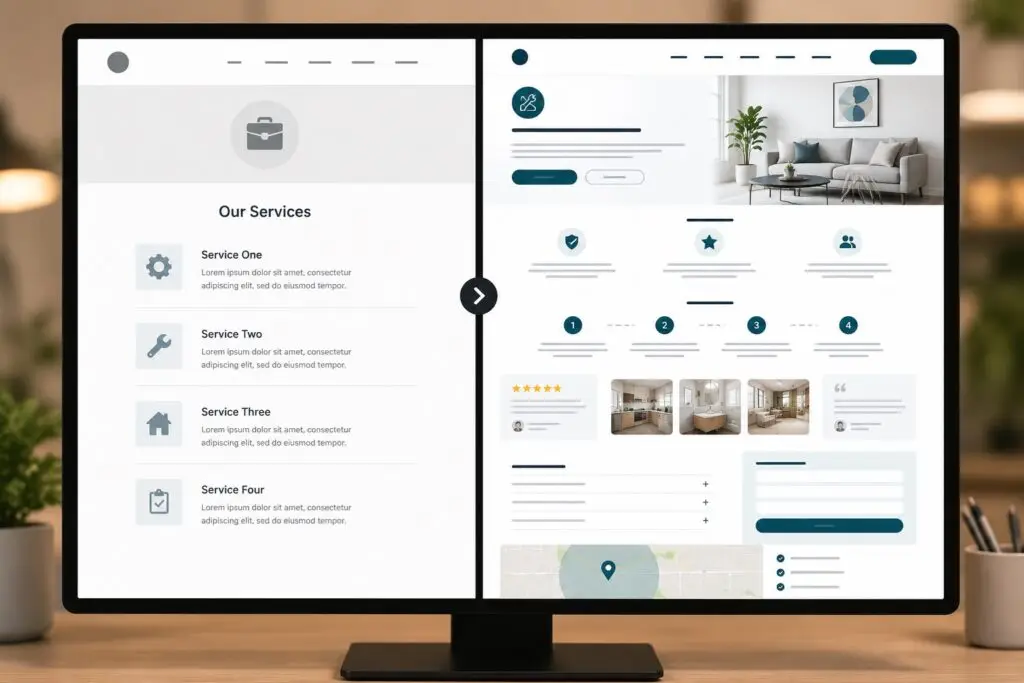
- Build localized content: Create service-area pages, blog posts about local projects, and FAQ pages that target common local queries and “near me” phrases naturally.
- Improve mobile speed and UX: Compress images, use responsive design, and prioritize clear calls-to-action for mobile users who convert with a call or booking.
- Track local metrics: Use Google Search Console, Google Business Profile Insights, and analytics with UTM tracking to measure map impressions, clicks, and conversions.
- Leverage local link building: Partner with local associations, suppliers, and community sites for backlinks and citations that strengthen local authority.
Common Pitfalls to Avoid
- Listing multiple slightly different business names across directories.
- Relying only on organic site SEO without optimizing the business profile.
- Ignoring reviews or failing to answer customer questions on your profile.
- Neglecting mobile experience, which reduces conversions even if rankings improve.
Example for Home Service Providers
A local plumber or electrician can win more leads by focusing on local SEO fundamentals: a fully filled Google Business Profile with up-to-date hours and booking links, service pages targeting specific neighborhoods, schema markup for serviceArea, and a steady flow of reviews from completed jobs. When a homeowner searches “emergency plumber near me,” these elements increase the chance the business will appear in the map pack and be contacted directly.
Conclusion
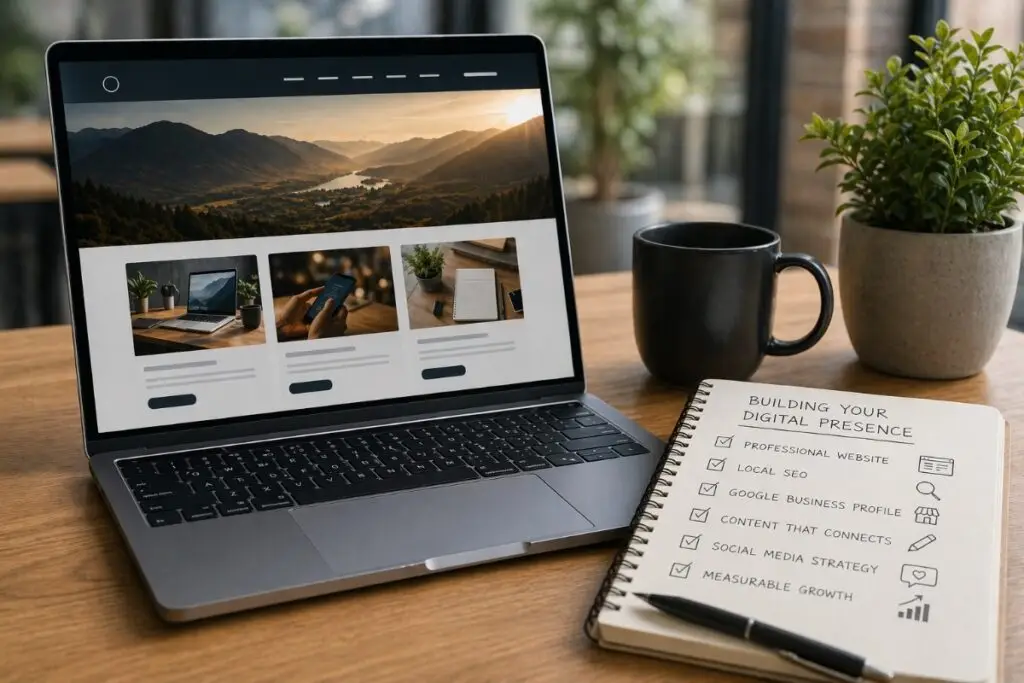
Local search has shifted from basic directory visibility to a multi-faceted ecosystem where mobile experience, business profile quality, reviews, and structured data decide who gets seen. Small businesses that prioritize these signals can capture more nearby customers and convert searchers into bookings.
Need help adapting your local presence? Boise WEB specializes in local website design and local SEO for small businesses and home service providers. Contact us to audit your Google Business Profile, improve local rankings, and build a website that converts. Get in touch with Boise WEB today.