

In today’s digital age, having a strong online presence is crucial for the success of any small business. However, many business owners find themselves frustrated when their websites don’t appear on the first page of Google search results. Understanding why your website isn’t ranking and knowing how to fix it can make a significant difference in attracting new customers and growing your business.
Common Reasons Your Website Isn’t Ranking on Google
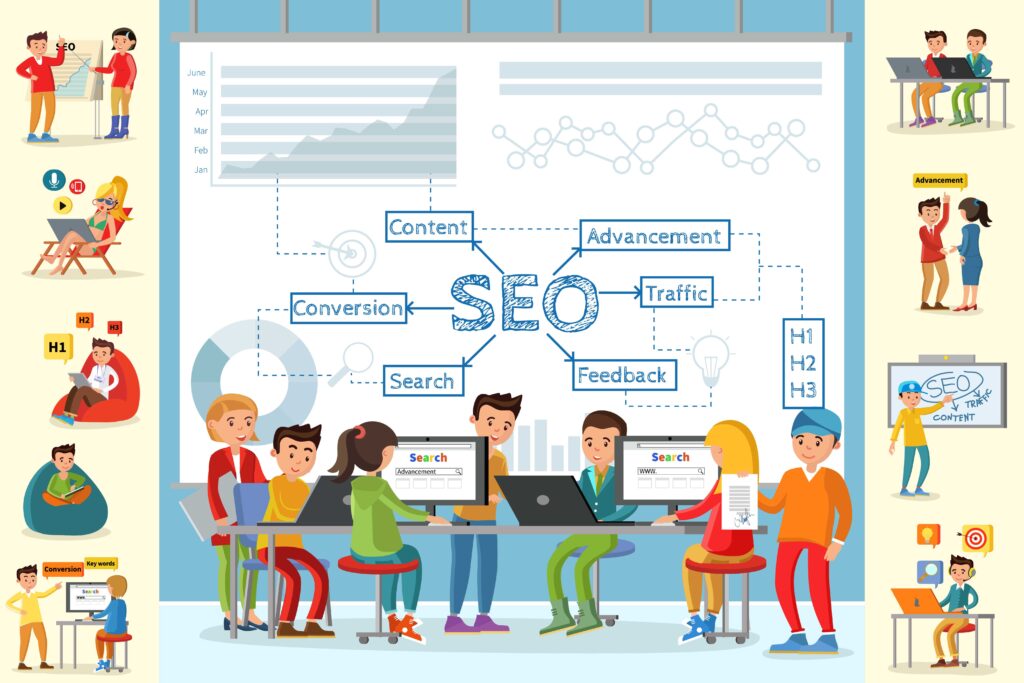
- Poor SEO Optimization: Search Engine Optimization (SEO) is vital for ranking on Google. Without proper keyword usage, meta tags, and optimized content, your website might not meet Google’s criteria for higher rankings.
- Slow Site Speed: Google favors websites that load quickly. If your site takes too long to load, it can negatively impact your rankings and deter potential visitors.
- Lack of Quality Content: Content is king in the online world. Websites with thin, irrelevant, or outdated content struggle to rank well.
- Not Mobile-Friendly: With the majority of users accessing websites via mobile devices, having a mobile-responsive design is essential for SEO.
- Weak Backlinks: Backlinks from reputable sites signal to Google that your website is trustworthy and authoritative.
- Technical Issues: Problems like broken links, poor site architecture, and improper indexing can hinder your website’s ability to rank.
Strategies to Improve Your Google Rankings
1. Perform an SEO Audit
Start by conducting a comprehensive SEO audit to identify areas that need improvement. Tools like Google Analytics and SEMrush can help you analyze your site’s performance and uncover issues that may be affecting your rankings.
2. Optimize On-Page SEO
Ensure that each page on your website is optimized for relevant keywords. This includes using keywords in titles, headers, meta descriptions, and throughout the content. Additionally, optimize your images with alt tags and ensure your URLs are clean and descriptive.
3. Enhance Site Speed
Improve your website’s loading times by compressing images, leveraging browser caching, and minimizing HTTP requests. A faster website not only improves user experience but also boosts your SEO performance.
4. Create Quality Content
Develop informative and engaging content that provides value to your audience. Regularly updating your blog with relevant articles can help establish your website as an authority in your industry.
5. Build Strong Backlinks
Acquire backlinks from reputable websites in your niche. Guest posting, partnerships, and creating shareable content are effective ways to earn high-quality backlinks that enhance your site’s authority.
6. Ensure Mobile-Friendliness
Adopt a responsive design that ensures your website looks and functions well on all devices. Google prioritizes mobile-friendly sites in its search results, making this a crucial aspect of your SEO strategy.
7. Fix Technical Issues
Regularly check for and resolve technical issues such as broken links, duplicate content, and improper redirects. Ensuring that your website is technically sound helps Google crawl and index your site more effectively.
The Importance of Local SEO
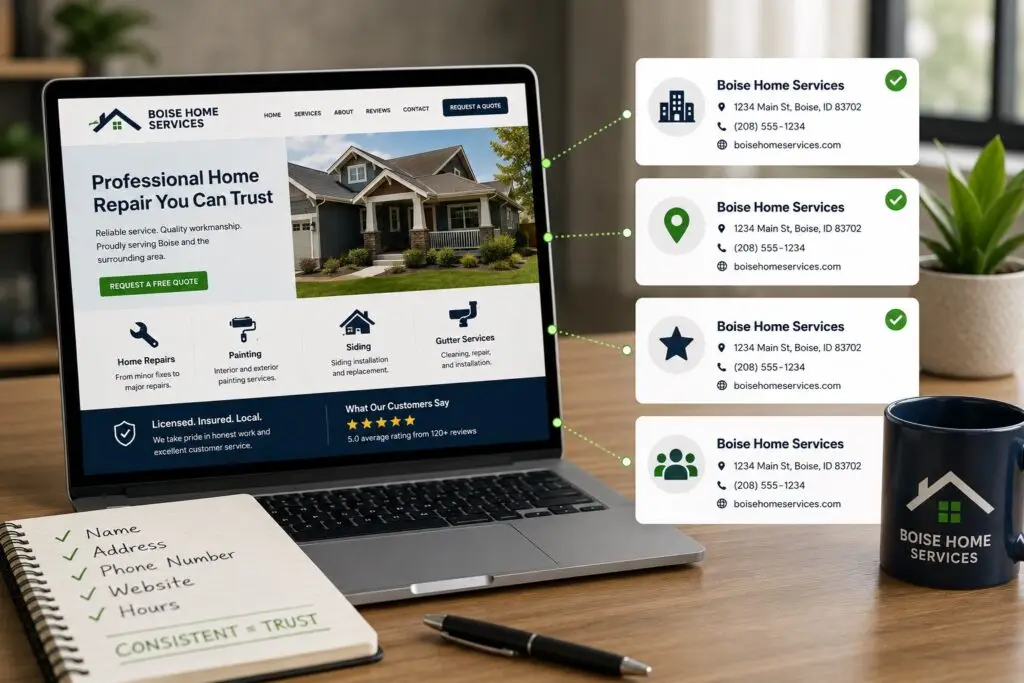
For small businesses, especially those serving local markets, local SEO is essential. Optimize your website for local search terms, claim your Google My Business listing, and encourage satisfied customers to leave positive reviews. This can significantly improve your visibility in local search results.
Leveraging Professional Help
While DIY SEO can yield results, partnering with experts like Boise WEB can accelerate your success. Professional SEO services offer tailored strategies that align with your business goals, ensuring sustainable growth and improved rankings.
Conclusion
Improving your website’s Google ranking involves addressing multiple factors, from SEO optimization to enhancing site speed and ensuring mobile-friendliness. By implementing these strategies, you can boost your online visibility and attract more customers. Contact Boise WEB to boost your website’s ranking now!